
Embark on a journey through the realm of BPCS ERP, where innovation meets efficiency. This introduction sets the stage for a deep dive into the intricacies of this powerful enterprise resource planning system.
From its humble beginnings to its widespread application across various industries, BPCS ERP has revolutionized the way businesses operate and thrive in today's competitive landscape.
Overview of BPCS ERP
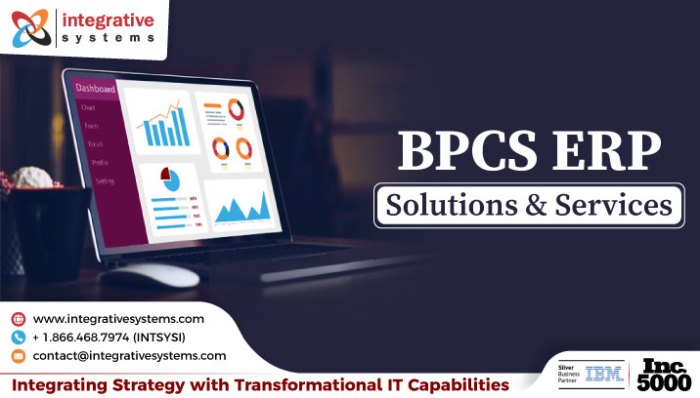
BPCS ERP, which stands for Business Planning and Control System Enterprise Resource Planning, has a rich history dating back to the 1970s when it was developed by System Software Associates (SSA). It was later acquired by Infor Global Solutions in 2006 and is now known as Infor LX.
Core Features of BPCS ERP
- Integrated suite of applications for managing various business processes such as finance, manufacturing, distribution, and human resources.
- Real-time data visibility and analytics for informed decision-making.
- Advanced planning and scheduling capabilities to optimize production processes.
- Supply chain management tools for efficient inventory management and procurement.
Industries where BPCS ERP is commonly used
- Manufacturing: BPCS ERP is widely used in manufacturing industries to streamline production processes and improve efficiency.
- Distribution: Companies in the distribution sector utilize BPCS ERP for inventory management and order fulfillment.
- Retail: Retailers leverage BPCS ERP for managing sales, inventory, and customer data efficiently.
Benefits of implementing BPCS ERP
- Increased efficiency and productivity through streamlined processes and automation.
- Improved decision-making with real-time data visibility and analytics.
- Enhanced collaboration among departments for better coordination and communication.
- Cost savings through optimized inventory management and production planning.
Key Modules of BPCS ERP
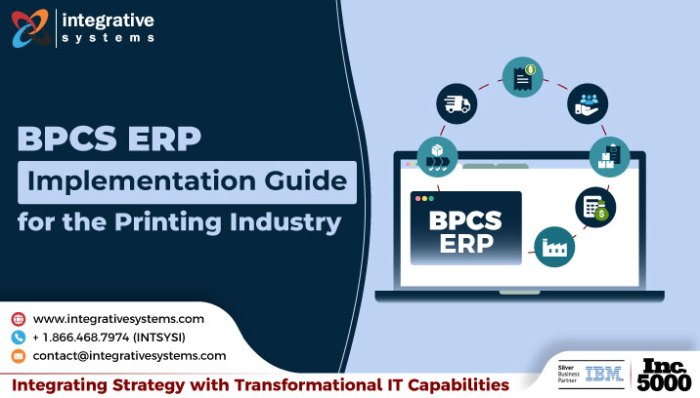
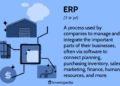
BPCS ERP consists of various modules that work together to streamline business processes and enhance efficiency. Each module serves a specific function to help organizations manage their operations effectively.
Inventory Management
Inventory Management module in BPCS ERP allows businesses to track and manage their inventory levels accurately. It helps in optimizing stock levels, reducing carrying costs, and ensuring timely replenishment of stock when needed.
Production Planning
The Production Planning module enables businesses to plan and schedule their production activities efficiently. It helps in creating production schedules, allocating resources, and managing work orders to meet customer demands effectively.
Financial Management
The Financial Management module in BPCS ERP helps organizations in managing their financial transactions, budgeting, and financial reporting. It provides insights into the financial health of the business and ensures compliance with accounting standards.
Sales and Distribution
The Sales and Distribution module assists businesses in managing their sales processes, order processing, and distribution channels. It helps in tracking sales orders, managing customer relationships, and ensuring timely delivery of products to customers.
Human Resources
The Human Resources module in BPCS ERP helps in managing employee information, payroll processing, benefits administration, and workforce planning. It streamlines HR processes and ensures compliance with labor regulations.
Supply Chain Management
The Supply Chain Management module in BPCS ERP focuses on optimizing the flow of goods, information, and finances across the supply chain. It helps in improving collaboration with suppliers, reducing lead times, and enhancing overall supply chain efficiency.
Implementation of BPCS ERP
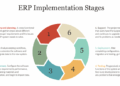
Implementing BPCS ERP involves several key steps to ensure a successful integration of the system into the organization's operations. Below are the steps involved in implementing BPCS ERP, along with challenges faced and tips for a successful implementation.
Steps Involved in Implementing BPCS ERP
- Planning and Preparation: This phase involves defining project scope, setting objectives, and forming an implementation team.
- System Configuration: Configuring BPCS ERP to meet the organization's specific requirements and integration needs.
- Data Migration: Transferring existing data into the new system and ensuring data accuracy and integrity.
- Training and Testing: Providing training to users and conducting thorough testing to identify and resolve any issues.
- Go-Live and Support: Launching the system live and providing ongoing support to users to ensure a smooth transition.
Challenges Faced During the Implementation Process
- Resistance to Change: Employees may resist the new system, impacting adoption and efficiency.
- Data Integration Issues: Ensuring seamless integration with existing systems and data can be challenging.
- Resource Constraints: Limited resources, both in terms of budget and expertise, can hinder the implementation process.
- Customization Complexity: Customizing BPCS ERP to fit specific requirements without compromising system integrity.
Tips for a Successful BPCS ERP Implementation
- Strong Leadership: Ensure strong leadership to drive the implementation process and garner support from all stakeholders.
- Effective Communication: Communicate with employees at all levels to address concerns and provide updates throughout the process.
- Comprehensive Training: Provide thorough training to users to maximize system utilization and minimize resistance.
- Regular Evaluation: Continuously evaluate the system's performance and address any issues promptly to ensure optimal functionality.
Customization and Integration with BPCS ERP
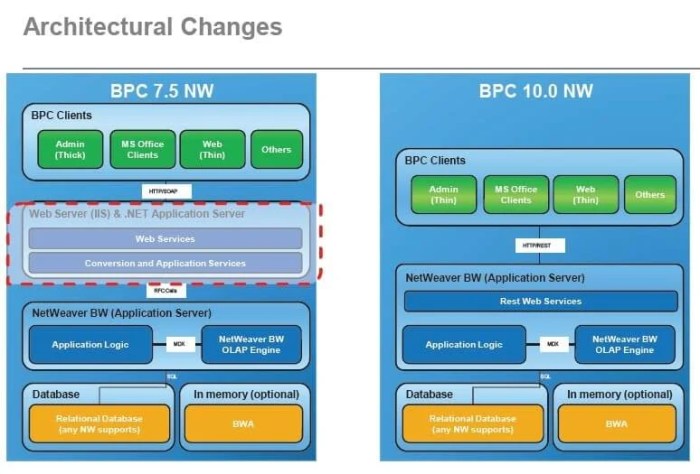
Customization and integration are crucial aspects when it comes to maximizing the efficiency and effectiveness of BPCS ERP for a business.
Customization Options
Customizing BPCS ERP allows businesses to tailor the system to meet their specific needs and requirements. Some options for customization include:
- Adding custom fields to capture unique data points relevant to the business.
- Modifying workflows to align with specific processes within the organization.
- Creating personalized reports to analyze data in a way that is most beneficial for the business.
Importance of Integration
Integrating BPCS ERP with other systems is essential for ensuring seamless communication and data flow across different departments and functions. Some key reasons why integration is important include:
- Eliminating manual data entry and reducing errors by automating processes.
- Enabling real-time access to information for better decision-making.
- Streamlining operations by connecting BPCS ERP with other critical systems such as CRM or inventory management.
Successful Customization and Integration Strategies
Successful customization and integration strategies can lead to significant improvements in business operations. Some examples of successful strategies include:
- Integrating BPCS ERP with e-commerce platforms to sync inventory levels and process orders seamlessly.
- Customizing the reporting module to generate financial reports tailored to the specific requirements of the finance department.
- Integrating BPCS ERP with supply chain management systems to optimize procurement processes and inventory control.
Wrap-Up
In conclusion, BPCS ERP stands as a beacon of technological advancement, offering unparalleled solutions for businesses seeking to optimize their operations and drive growth. Dive into the world of BPCS ERP and unlock a world of possibilities for your organization.
Questions and Answers
What industries commonly use BPCS ERP?
BPCS ERP is commonly used in industries such as manufacturing, distribution, and supply chain management.
How can BPCS ERP be customized to meet specific business needs?
Businesses can customize BPCS ERP through configuration settings, module additions, and tailored development to align with their unique requirements.
What are the key benefits of implementing BPCS ERP?
Implementing BPCS ERP can lead to improved operational efficiency, streamlined processes, better data management, and enhanced decision-making capabilities.