
Embark on a journey through the realm of ERP implementation, where modern businesses harness the power of efficient systems to drive success and growth. This article delves into the intricacies of ERP implementation, shedding light on its significance and the benefits it brings to organizations.
Delve deeper into the world of ERP systems, exploring the key elements that make a successful implementation strategy and how businesses can navigate through the complexities of integrating these systems seamlessly.
Overview of ERP Implementation
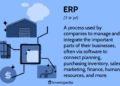
ERP implementation involves the process of integrating an Enterprise Resource Planning (ERP) system into a business organization to streamline and automate its processes. This includes configuring the software to fit the specific needs of the organization, training employees on how to use the system effectively, and ensuring a smooth transition from legacy systems to the new ERP system.ERP systems are crucial in modern businesses as they provide a centralized platform for managing and analyzing various aspects of the business such as finance, human resources, supply chain, inventory, customer relationship management, and more.
By consolidating data and processes into a single system, ERP systems help improve efficiency, decision-making, and overall business performance.
Importance of ERP Systems
Implementing ERP systems in businesses is essential for several reasons:
- Enhanced Efficiency: ERP systems automate manual processes, reduce duplication of work, and eliminate the need for multiple data entry, leading to increased productivity and efficiency.
- Better Decision-Making: With real-time data and insights provided by ERP systems, businesses can make informed decisions quickly and effectively.
- Improved Visibility: ERP systems provide a centralized view of all business operations, allowing for better monitoring, control, and coordination across departments.
- Compliance and Risk Management: ERP systems help ensure regulatory compliance and enable businesses to mitigate risks by enforcing standard processes and controls.
Benefits of Successful ERP Implementation
- Cost Savings: By streamlining processes and improving efficiency, ERP systems can lead to cost savings in areas such as inventory management, procurement, and resource allocation.
- Increased Productivity: Automation of tasks, better data accuracy, and improved communication within the organization can significantly boost productivity levels.
- Enhanced Customer Service: With access to real-time data and insights, businesses can provide better customer service by responding quickly to inquiries, resolving issues promptly, and personalizing customer interactions.
- Scalability and Growth: ERP systems are designed to scale with the business as it grows, making it easier to expand operations, enter new markets, and adapt to changing business environments.
Pre-Implementation Planning
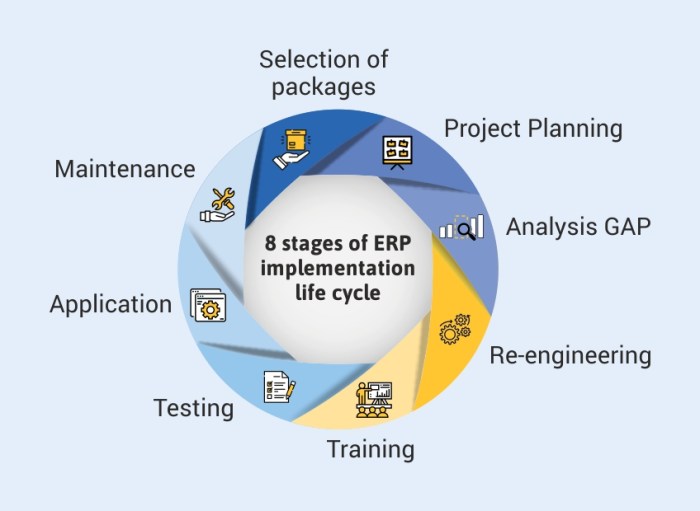
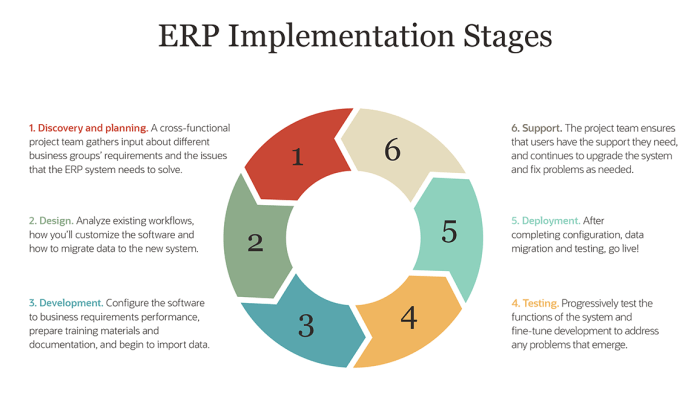
In the pre-implementation phase of an ERP system, careful planning and analysis are crucial to ensure a successful transition. This stage involves setting the foundation for the implementation process and addressing key considerations that will impact the overall success of the project.
Thorough Needs Assessment
Before selecting an ERP system, organizations must conduct a thorough needs assessment to identify their specific requirements and objectives. This involves evaluating current processes, understanding pain points, and defining goals for the new system. By conducting a comprehensive needs assessment, organizations can ensure that the selected ERP system aligns with their business objectives and provides the necessary functionalities to support their operations.
- Assess current business processes and identify areas for improvement
- Engage key stakeholders to gather input and feedback
- Define clear objectives and goals for the new ERP system
- Evaluate existing systems and technologies to determine compatibility and integration requirements
Selection of the Right ERP System
Choosing the right ERP system is a critical decision that will impact the organization's operations for years to come. To select the most suitable ERP system, organizations should consider factors such as scalability, customization options, vendor reputation, and ongoing support services.
It is essential to conduct thorough research, request demos, and engage with potential vendors to ensure that the selected ERP system meets the organization's unique requirements.
- Research different ERP systems available in the market
- Create a list of criteria and prioritize key features based on business needs
- Request proposals and demos from shortlisted vendors
- Evaluate vendor reputation, industry experience, and customer reviews
- Consider scalability, flexibility, and integration capabilities of the ERP system
Project Management during Implementation
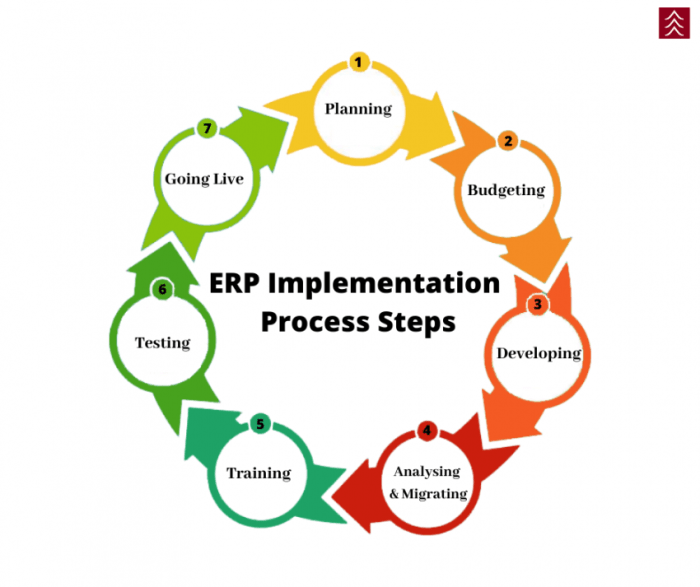
Project managers play a crucial role in ensuring the successful implementation of an ERP system. They are responsible for overseeing the project from start to finish, coordinating various teams, managing resources, and ensuring that the project stays on track.
Role of Project Managers in ERP Implementation
Project managers in ERP implementation are tasked with:
- Creating a detailed project plan outlining tasks, timelines, and milestones.
- Assigning responsibilities to team members and ensuring accountability.
- Managing risks and issues that may arise during implementation.
- Communicating progress updates to stakeholders and addressing any concerns.
Strategies for Effective Project Management during Implementation
Effective project management in ERP implementation involves:
- Regular monitoring of project progress and adjusting the plan as needed.
- Establishing clear communication channels among team members and stakeholders.
- Setting realistic expectations and managing scope creep.
- Providing adequate training and support to users during the transition phase.
Ensuring Timelines and Budgets are Adhered to
To ensure timelines and budgets are adhered to during ERP implementation, project managers should:
- Track project expenses and resource utilization regularly.
- Implement change control procedures to manage scope changes effectively.
- Conduct regular reviews of the project plan to identify and address any deviations.
- Communicate proactively with stakeholders about any potential delays or budget overruns.
Data Migration and Integration

Data migration and integration play a crucial role in the success of an ERP implementation. It involves transferring data from legacy systems to the new ERP system while ensuring accuracy and consistency throughout the process.
Challenges Associated with Data Migration
- Lack of data quality in legacy systems leading to errors in the new ERP system.
- Complexity in mapping data fields between systems causing delays and discrepancies.
- Data volume and migration speed issues affecting project timelines.
- Data security risks during the migration process.
Strategies for Smooth Data Integration
- Conduct a thorough data audit to identify the quality and completeness of data in legacy systems.
- Develop a detailed data migration plan with clearly defined roles and responsibilities.
- Utilize data migration tools and software to automate the process and minimize manual errors.
- Perform data validation and testing to ensure data accuracy and consistency post-migration.
Importance of Data Accuracy and Consistency
- Accurate data ensures that decisions made using the ERP system are reliable and informed.
- Consistent data across all modules of the ERP system improves overall efficiency and productivity.
- Data accuracy and consistency are essential for regulatory compliance and audit purposes.
Training and Change Management
Training employees during ERP implementation is crucial for the success of the project. It helps ensure that employees understand how to use the new system effectively, leading to increased productivity and efficiency. Change management is also essential to address any resistance to the new system and facilitate a smooth transition for the organization.
Creating a culture that embraces the new ERP system is key to maximizing its benefits and ensuring long-term success.
Significance of Training Employees
Training employees on the new ERP system is vital to ensure they are equipped with the necessary skills and knowledge to use the system effectively. Here are some methods to handle resistance to change within an organization:
- Provide comprehensive training sessions tailored to different roles and departments within the organization.
- Offer hands-on training with real-life scenarios to help employees understand the practical application of the new system.
- Encourage open communication and feedback to address any concerns or challenges employees may have during the training process.
- Utilize a train-the-trainer approach to empower internal champions who can support their colleagues in adopting the new system.
Creating a Culture that Embraces the New ERP System
To create a culture that embraces the new ERP system, organizations should:
- Communicate the benefits of the new system and how it aligns with the organization's goals and objectives.
- Involve employees in the implementation process and decision-making to increase buy-in and ownership of the new system.
- Recognize and reward employees who actively engage with the new system and showcase positive outcomes resulting from its implementation.
- Provide ongoing support and resources to help employees navigate any challenges they may encounter while using the new system.
Testing and Quality Assurance
Testing and Quality Assurance play a crucial role in the successful implementation of an ERP system. It ensures that the system functions as expected, meets the business requirements, and delivers the desired outcomes. Without proper testing and quality assurance measures, the ERP system may encounter issues, errors, and inefficiencies that can hinder operations and impact the overall performance of the organization.
Types of Testing Phases
During the ERP implementation process, different types of testing phases are conducted to ensure the system's functionality, reliability, and performance. These testing phases include:
- Unit Testing: Testing individual components or modules of the ERP system to verify their functionality.
- Integration Testing: Testing the integration and interaction between different modules to ensure they work together seamlessly.
- System Testing: Testing the entire ERP system as a whole to validate its performance against the defined requirements.
- User Acceptance Testing (UAT): Involving end-users to test the system in a real-world scenario to ensure it meets their needs and expectations.
- Performance Testing: Testing the system's performance under different conditions to ensure it can handle the expected workload.
- Security Testing: Testing the system's security measures to identify and address vulnerabilities that could compromise data integrity.
Ensuring Quality and Reliability
To ensure the quality and reliability of the ERP system, organizations should follow best practices such as:
- Establishing clear testing objectives and criteria to measure the system's performance.
- Developing comprehensive test cases and scenarios to cover all aspects of the system's functionality.
- Conducting regular and thorough testing throughout the implementation process to identify and address issues early on.
- Involving key stakeholders and end-users in the testing process to gather feedback and ensure the system meets their requirements.
- Documenting test results, issues, and resolutions to track progress and ensure accountability.
- Implementing a continuous improvement process to address any issues that arise post-implementation and enhance the system's performance over time.
Final Summary
As we conclude this exploration of ERP implementation, it becomes evident that a well-executed strategy can transform the way businesses operate, paving the path for enhanced efficiency and productivity. By embracing the principles Artikeld in this discussion, organizations can embark on a journey towards sustainable growth and success in the digital age.
FAQ Insights
What are the common challenges in data migration during ERP implementation?
Data migration challenges often revolve around issues such as data loss, compatibility problems, and disruptions to business operations. Implementing a robust data migration strategy can help mitigate these challenges.
How can organizations handle resistance to change during ERP implementation?
Organizations can address resistance to change by fostering open communication, providing adequate training and support, involving employees in the process, and highlighting the benefits of the new ERP system.
What role does quality assurance play in ERP implementation?
Quality assurance ensures that the ERP system meets the required standards of performance and reliability. It involves thorough testing, identifying and resolving issues, and maintaining data accuracy and consistency.