
Embark on a journey into the realm of Aptean ERP, a powerful tool revolutionizing the way businesses operate. From enhancing data management to improving decision-making, Aptean ERP offers a myriad of benefits that can propel organizations to new heights of success.
Delve deeper into the features, implementation, and benefits of Aptean ERP as we uncover the intricacies of this innovative system.
Introduction to Aptean ERP
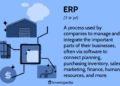
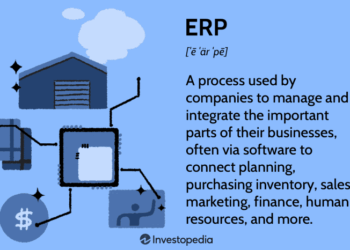
Aptean ERP is an enterprise resource planning software that helps businesses manage and integrate their core business processes in real-time. This system provides a centralized database that allows different departments to collaborate, streamline operations, and make data-driven decisions.
Common Industries Using Aptean ERP
Aptean ERP is commonly used in industries such as manufacturing, distribution, food and beverage, pharmaceuticals, and retail. These sectors benefit from Aptean ERP's ability to optimize production, improve inventory management, and enhance supply chain visibility.
Comparison with Other ERP Systems
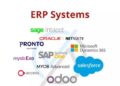
When compared to other ERP systems in the market, Aptean ERP stands out for its industry-specific solutions and customizable features. While some ERP systems offer a one-size-fits-all approach, Aptean ERP can be tailored to meet the unique needs of different industries, making it a preferred choice for businesses looking for a more specialized solution.
Features of Aptean ERP
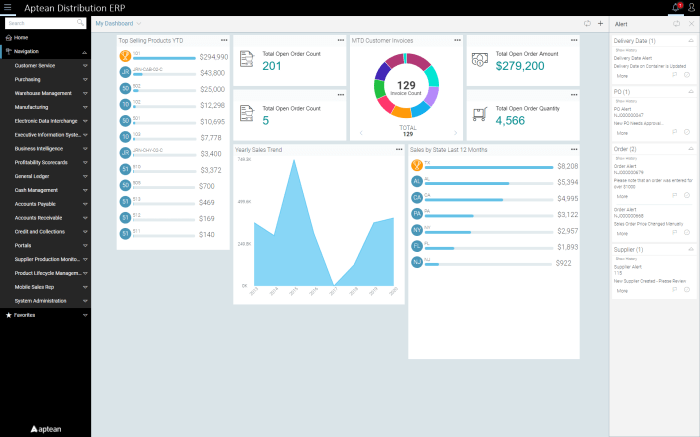
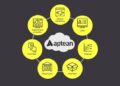
Aptean ERP offers a range of key features and modules designed to streamline business processes, enhance data management, and improve reporting capabilities.
Financial Management
- Integrated accounting and financial tools for accurate tracking of expenses and revenue.
- Automated invoicing and billing processes to improve efficiency.
- Real-time financial reporting for better decision-making.
Supply Chain Management
- Inventory control and optimization to reduce costs and improve order fulfillment.
- Supplier management tools to track vendor performance and ensure timely deliveries.
- Demand forecasting capabilities to anticipate market trends and optimize inventory levels.
Human Resources
- Employee management and payroll processing to streamline HR operations.
- Performance tracking tools to evaluate employee productivity and engagement.
- Training and development modules to enhance workforce skills and knowledge.
Manufacturing
- Production planning and scheduling tools to optimize manufacturing processes.
- Quality control and compliance management for consistent product quality.
- Real-time monitoring of production activities for better resource allocation.
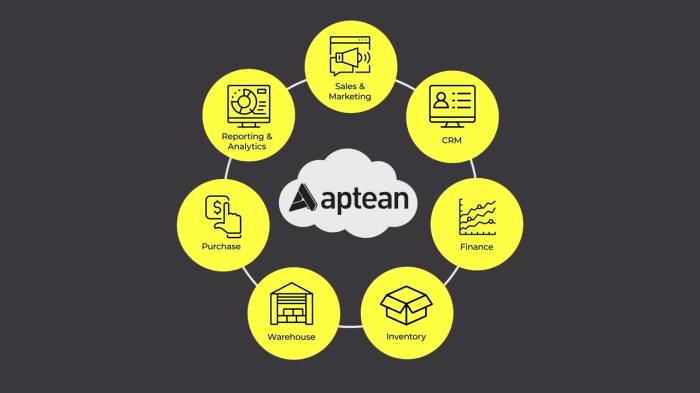
Aptean ERP provides a comprehensive solution to meet the diverse needs of modern businesses, enabling effective management of resources, data, and operations.
Implementation of Aptean ERP
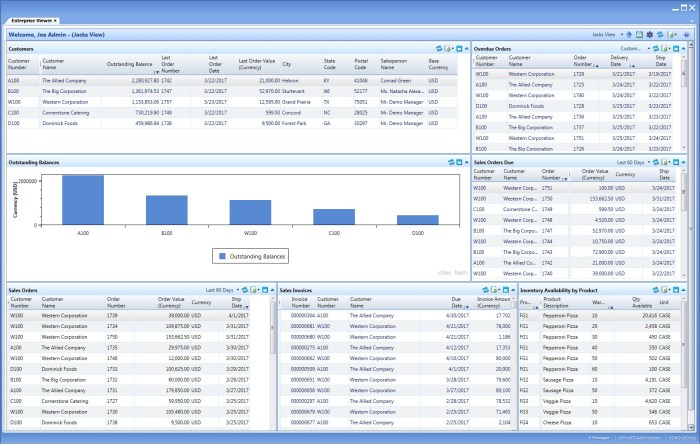
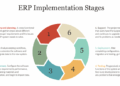
Implementing Aptean ERP in an organization involves several key steps to ensure a successful transition and integration of the software.
Steps Involved in Implementing Aptean ERP:
- Planning and Preparation: Conduct a thorough analysis of current systems and processes, establish clear objectives for the ERP implementation, and create a detailed project plan.
- Configuration and Customization: Customize the Aptean ERP system to meet the specific needs of the organization, including setting up modules, workflows, and user access levels.
- Data Migration: Transfer data from existing systems to the new ERP platform, ensuring accuracy and consistency throughout the process.
- Training and Testing: Provide comprehensive training to employees on how to use the Aptean ERP system effectively, and conduct thorough testing to identify any issues or discrepancies.
- Go-Live and Support: Launch the Aptean ERP system across the organization, provide ongoing support to users, and continuously monitor and optimize system performance.
Best Practices for a Successful Aptean ERP Implementation:
- Engage Key Stakeholders: Involve key stakeholders from different departments in the implementation process to ensure alignment with organizational goals.
- Communicate Effectively: Maintain open communication channels throughout the implementation, keeping employees informed about changes and updates.
- Set Realistic Expectations: Establish realistic timelines and goals for the implementation to manage expectations and reduce resistance to change.
- Monitor Progress: Regularly track progress against milestones and KPIs to identify any issues early on and make necessary adjustments.
Common Challenges Faced During Aptean ERP Implementation and How to Overcome Them:
- Resistance to Change: Address resistance by involving employees in the process, providing adequate training and support, and highlighting the benefits of the new system.
- Data Migration Issues: Mitigate data migration challenges by conducting thorough data cleansing, testing data integrity, and ensuring compatibility with the new system.
- Lack of Executive Support: Secure executive buy-in and support for the ERP implementation by demonstrating the potential ROI, benefits, and strategic value of the system.
Benefits of Aptean ERP
Aptean ERP offers numerous advantages for businesses looking to streamline their operations and improve efficiency.
Improved Operational Efficiency
- Centralized Data Management: Aptean ERP provides a single source of truth for all business data, eliminating silos and ensuring data consistency across departments.
- Automated Processes: By automating routine tasks and workflows, Aptean ERP helps in reducing manual errors and speeding up operations.
- Enhanced Collaboration: With real-time access to data and communication tools, employees can collaborate more effectively, leading to faster decision-making processes.
Better Decision-Making and Strategic Planning
- Real-Time Insights: Aptean ERP offers real-time analytics and reporting capabilities, allowing businesses to make data-driven decisions quickly.
- Forecasting and Planning: By analyzing historical data and trends, Aptean ERP enables businesses to forecast demand, optimize inventory levels, and plan resources efficiently.
- Strategic Alignment: Aptean ERP aligns business processes with strategic goals, ensuring that every decision contributes to the overall objectives of the organization.
Concluding Remarks
As we conclude our exploration of Aptean ERP, one thing becomes clear - the impact of this system on businesses is profound and far-reaching. With its ability to streamline processes and drive efficiency, Aptean ERP stands as a cornerstone of modern business operations.
Essential Questionnaire
What industries commonly use Aptean ERP?
Industries such as manufacturing, distribution, and food and beverage often utilize Aptean ERP systems for their operations.
How does Aptean ERP compare to other ERP systems in the market?
Aptean ERP distinguishes itself by offering a user-friendly interface, robust features, and tailored solutions for specific industries, setting it apart from competitors.
What are some best practices for implementing Aptean ERP successfully?
Key best practices include thorough planning, stakeholder engagement, training programs, and ongoing support post-implementation.
How can Aptean ERP contribute to better decision-making?
Aptean ERP provides real-time data insights, customizable reporting tools, and analytics capabilities that enable informed decision-making at all levels of an organization.