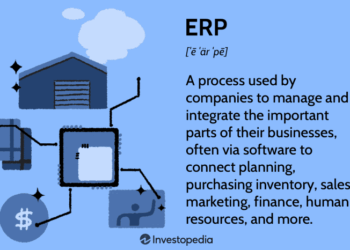

Embark on a journey into the realm of SAS ERP, a powerful tool revolutionizing business operations. This introduction sets the stage for a comprehensive exploration using a mix of engaging language and insightful details.
Dive into the specifics of what SAS ERP entails and how it impacts businesses of all sizes.
Overview of SAS ERP
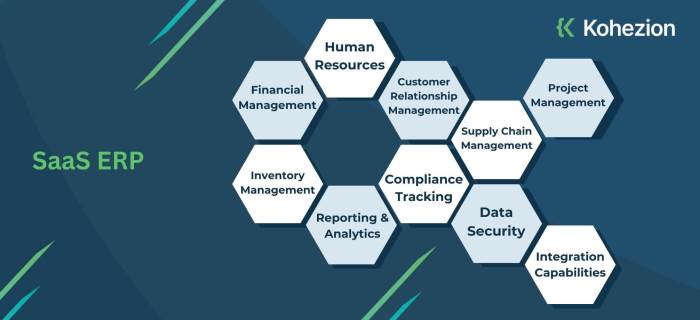
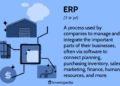
SAS ERP, or Enterprise Resource Planning, is a software solution that integrates various business functions and processes into a unified system. It helps organizations streamline operations, improve efficiency, and make data-driven decisions.
Key Features of SAS ERP
- Centralized Data Management: SAS ERP provides a centralized database that allows for easy access to real-time information across departments.
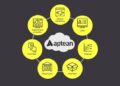
- Integrated Modules: The software offers modules for different functions such as finance, human resources, supply chain management, and more, ensuring seamless communication and collaboration.
- Analytics Capabilities: SAS ERP includes advanced analytics tools that enable businesses to analyze data, generate insights, and forecast trends for better decision-making.
- Customization Options: Organizations can customize the software to meet their specific needs and requirements, ensuring a tailored solution for their operations.
Benefits of Using SAS ERP in Businesses
- Improved Efficiency: By automating processes and providing real-time data, SAS ERP helps businesses operate more efficiently and reduce manual errors.
- Better Decision-Making: With access to accurate and timely information, organizations can make informed decisions that drive growth and profitability.
- Cost Savings: By streamlining operations and optimizing resources, SAS ERP can help businesses reduce costs and maximize their ROI.
- Enhanced Collaboration: The integrated nature of SAS ERP promotes collaboration among departments, leading to better communication and alignment of goals.
Implementation of SAS ERP
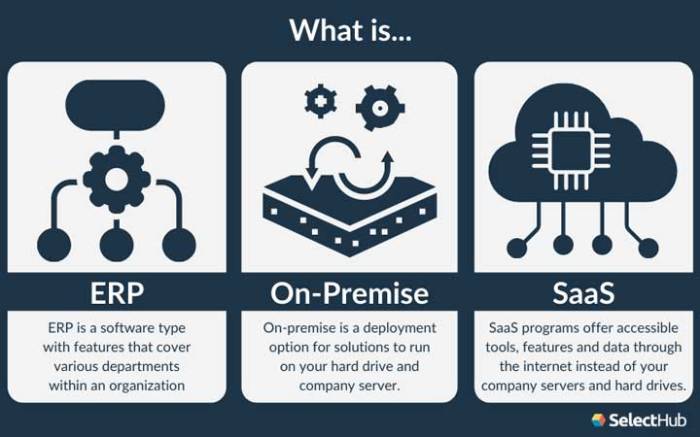
Implementing SAS ERP in an organization involves a series of steps to ensure a smooth transition and successful deployment of the system. It is essential to plan meticulously, involve key stakeholders, and address any challenges that may arise during the process.
Process of Implementing SAS ERP
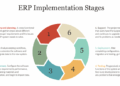
Implementing SAS ERP typically involves the following steps:
- Planning Phase: Define objectives, set timelines, allocate resources, and establish a project team.
- Analysis Phase: Assess current processes, identify gaps, and determine system requirements.
- Design Phase: Customize the system, configure settings, and develop any necessary integrations.
- Testing Phase: Conduct thorough testing to ensure the system functions as intended and meets organizational needs.
- Training Phase: Provide comprehensive training to users to ensure they can effectively utilize the system.
- Go-Live Phase: Transition to the new system, monitor performance, and address any issues that arise.
Challenges during Implementation of SAS ERP
During the implementation of SAS ERP, organizations may face challenges such as:
- Resistance to Change: Employees may resist adopting new processes and technologies.
- Data Migration Issues: Transferring data from legacy systems to SAS ERP can be complex and prone to errors.
- Lack of Expertise: Organizations may lack the necessary skills and knowledge to effectively implement and manage the system.
- Integration Challenges: Integrating SAS ERP with existing systems and software can be challenging and may lead to compatibility issues.
Strategies for Successful Deployment of SAS ERP
To ensure the successful deployment of SAS ERP, organizations can consider the following strategies:
- Executive Support: Gain support from senior management to drive the implementation process and address any resistance.
- Change Management: Implement a change management strategy to help employees adapt to the new system and processes.
- Data Quality Assurance: Ensure data integrity by conducting thorough data validation and cleansing before migration.
- Training and Support: Provide ongoing training and support to users to help them maximize the benefits of the system.
- Continuous Improvement: Establish processes for continuous monitoring, evaluation, and improvement of the system post-implementation.
Integration with other systems
When it comes to integrating SAS ERP with other software systems, it is crucial to ensure a seamless connection that optimizes efficiency and data flow across platforms.
Advantages of integrating SAS ERP with existing systems
- Streamlined processes: Integration allows for the automation of tasks and processes, reducing manual work and increasing overall productivity.
- Real-time data access: By integrating systems, users can access up-to-date information across different platforms, enabling informed decision-making.
- Improved accuracy: Integration helps eliminate data discrepancies and errors that may arise from manual data entry, ensuring data consistency.
- Enhanced reporting capabilities: Integrated systems provide a comprehensive view of data, enabling detailed reporting and analysis for better insights.
Best practices for seamless integration of SAS ERP with other platforms
- Define integration goals: Clearly Artikel the objectives of integrating SAS ERP with other systems to align efforts and resources effectively.
- Choose the right integration tools: Select tools and technologies that are compatible with both SAS ERP and existing systems to facilitate smooth integration.
- Ensure data compatibility: Verify that data formats and structures are consistent across platforms to avoid data translation errors during integration.
- Test integration processes: Conduct thorough testing to identify and resolve any issues before fully implementing the integrated system to minimize disruptions.
Customization and scalability
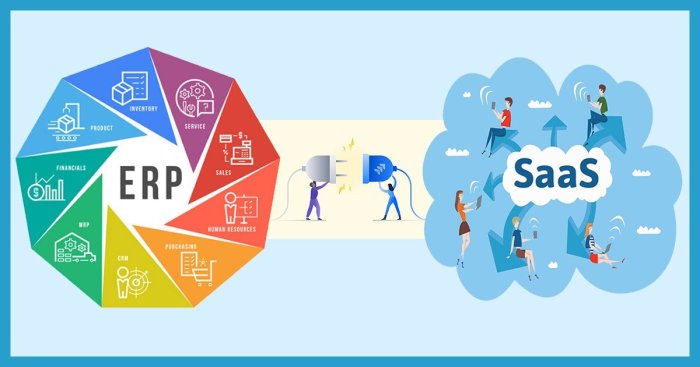
Customization and scalability are key aspects of SAS ERP that allow businesses to tailor the system to their specific needs and ensure it can adapt as the organization grows.
Customization Options
- Customized Workflows: SAS ERP offers the flexibility to create custom workflows to streamline processes specific to the organization.
- Personalized Dashboards: Users can customize dashboards to display relevant information and KPIs based on their roles and responsibilities.
- Integration with Third-Party Applications: SAS ERP can be integrated with other systems and applications to meet unique business requirements.
Scalability of SAS ERP
- Vertical Scalability: SAS ERP can easily scale up to handle increased data and user load by adding more resources to the existing infrastructure.
- Horizontal Scalability: The system can also scale horizontally by adding more servers or nodes to distribute the workload efficiently.
- Cloud Deployment: SAS ERP offers cloud deployment options, allowing organizations to scale their operations as needed without significant infrastructure investment.
Success Stories
- Company A: Company A successfully customized their SAS ERP system to include industry-specific modules that improved efficiency and data accuracy.
- Company B: Company B scaled their SAS ERP system by integrating it with their CRM and BI tools, leading to better decision-making and customer insights.
- Company C: Company C customized their SAS ERP to automate manual processes and tailor reporting features, resulting in cost savings and improved productivity.
Closure
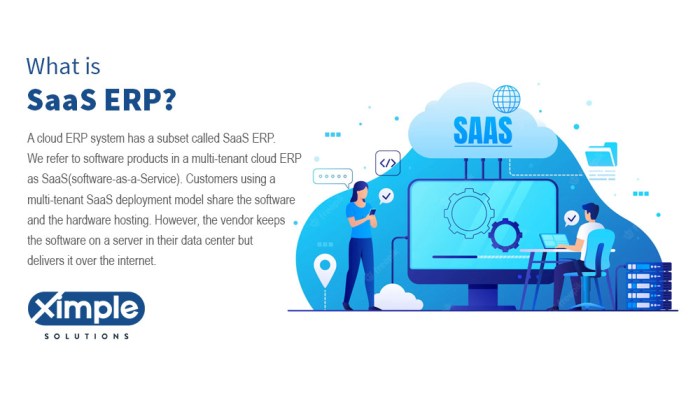
In conclusion, SAS ERP emerges as a game-changer in the realm of enterprise resource planning. This summary encapsulates the key points discussed, leaving readers with a deeper understanding of its significance.
Questions and Answers
What are the primary functions of SAS ERP?
SAS ERP is designed to streamline business processes, manage resources effectively, and provide real-time insights for informed decision-making.
How can SAS ERP be customized to meet specific business needs?
SAS ERP offers various customization options such as tailored modules, workflows, and reporting features to align with unique business requirements.
What are the advantages of integrating SAS ERP with existing systems?
Integrating SAS ERP with other systems enhances data flow, reduces manual entry errors, and creates a unified platform for seamless operations.
How scalable is SAS ERP for growing organizations?
SAS ERP is highly scalable, allowing organizations to expand its usage, add users, and incorporate new functionalities as business needs evolve.
Can SAS ERP be seamlessly integrated with other platforms?
By following best practices and utilizing compatible technologies, SAS ERP can be integrated smoothly with various software platforms for enhanced efficiency.