
With Yardi ERP revolutionizing the way businesses operate, this paragraph sets the stage for a deep dive into its capabilities and impact. Get ready to uncover the secrets behind this powerful software solution.
As we delve further into the world of Yardi ERP, we discover its core functionalities, key features, implementation process, and the crucial training and support it offers.
Introduction to Yardi ERP
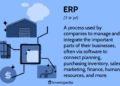
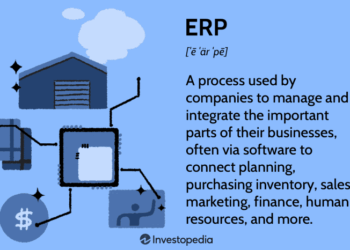
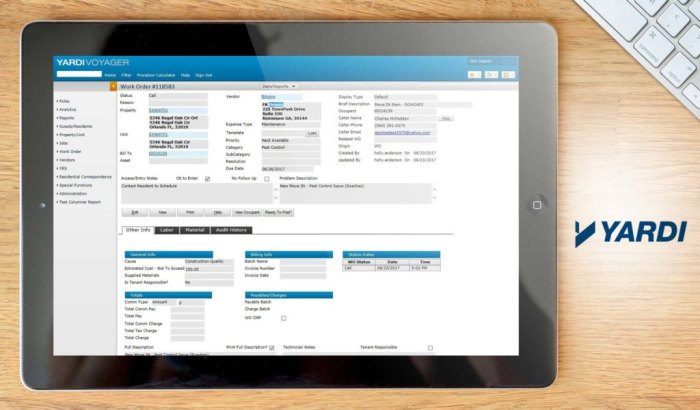
Yardi ERP is a comprehensive enterprise resource planning software designed to streamline operations, improve efficiency, and enhance decision-making for businesses across various industries. This software integrates key business functions such as accounting, property management, asset management, and construction management into one centralized platform.
Core Functionalities of Yardi ERP
- Financial Management: Yardi ERP offers robust financial tools for budgeting, forecasting, and financial reporting.
- Property Management: Manage lease agreements, tenant relationships, and property maintenance efficiently.
- Asset Management: Track asset performance, maintenance schedules, and depreciation accurately.
- Construction Management: Streamline construction projects with tools for budgeting, bidding, and project management.
Industries Using Yardi ERP
- Real Estate: Yardi ERP is widely used in the real estate industry for property management, asset management, and financial reporting.
- Construction: Construction companies utilize Yardi ERP for project management, budgeting, and vendor management.
- Hospitality: Hotels and resorts leverage Yardi ERP for seamless operations, guest management, and financial control.
Benefits of Implementing Yardi ERP
- Efficiency: Centralizing key business functions leads to increased efficiency and productivity.
- Accuracy: Real-time data updates and automated processes ensure accurate financial and operational reporting.
- Cost Savings: By streamlining operations and reducing manual tasks, Yardi ERP helps in cutting down costs.
- Decision-Making: Access to comprehensive data and analytics enables informed decision-making for business growth.
Features of Yardi ERP

Yardi ERP offers a wide range of features that cater to the needs of real estate and property management companies. Let's delve into the key modules available in Yardi ERP, how it integrates with other software systems, and the customization options it provides.
Key Modules in Yardi ERP
Yardi ERP consists of several modules that cover various aspects of real estate management, including:
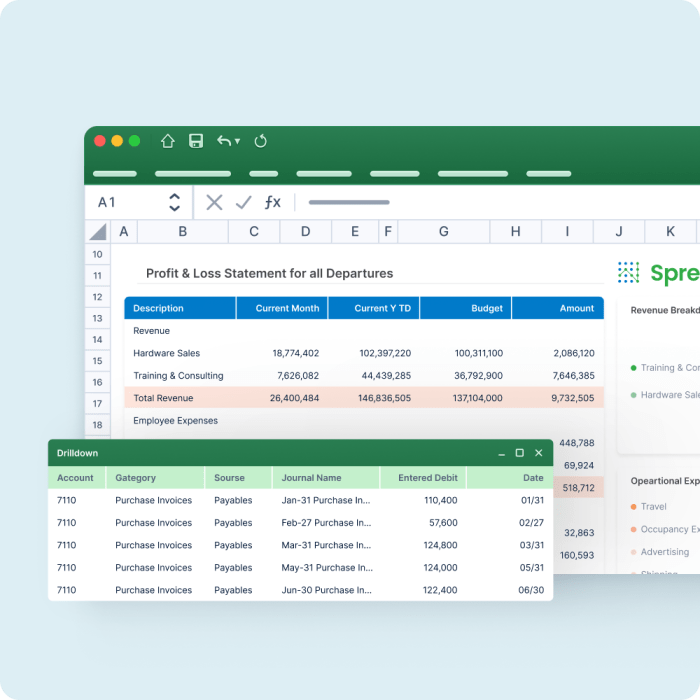
- Accounting: Handles financial management, budgeting, forecasting, and reporting.
- Property Management: Manages lease agreements, tenant communications, and maintenance requests.
- Procurement: Streamlines purchasing processes and vendor management.
- Asset Management: Tracks property performance, valuations, and investment analysis.
- Human Resources: Manages employee data, payroll, benefits, and compliance.
Integration with Other Software Systems
Yardi ERP is designed to integrate seamlessly with other software systems commonly used in the real estate industry, such as:
- CRM Systems: Syncs customer data and interactions for better client management.
- Business Intelligence Tools: Extracts data for analysis and reporting purposes.
- Document Management Systems: Stores and organizes property-related documents for easy access.
- IoT Devices: Connects with smart sensors and devices for real-time monitoring of properties.
Customization Options in Yardi ERP
Yardi ERP offers flexibility for customization to meet specific business requirements, such as:
- Custom Reports: Create tailored reports based on unique data needs.
- Workflow Automation: Design automated processes to streamline operations.
- User Permissions: Set granular access controls to protect sensitive information.
- Dashboards: Customize dashboards to display key metrics and performance indicators.
Implementation of Yardi ERP
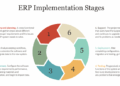
Implementing Yardi ERP can be a complex process that requires careful planning and execution. Below are the steps involved in implementing Yardi ERP successfully, along with best practices and common challenges faced during the process.
Steps Involved in Implementing Yardi ERP:
- 1. Planning Phase: Define project scope, objectives, and timelines. Assess current systems and processes to identify gaps and requirements.
- 2. Configuration: Customize Yardi ERP to align with your organization's specific needs. Configure modules, workflows, and reports accordingly.
- 3. Data Migration: Transfer existing data from legacy systems to Yardi ERP. Cleanse and validate data to ensure accuracy and consistency.
- 4. Training: Provide comprehensive training to end-users to familiarize them with the new system. Conduct workshops and hands-on sessions for effective knowledge transfer.
- 5. Testing: Perform rigorous testing to validate system functionality, data integrity, and user acceptance. Address any issues or bugs identified during testing.
- 6. Go-Live: Roll out Yardi ERP across the organization. Monitor system performance, user feedback, and overall adoption post-implementation.
Best Practices for a Successful Yardi ERP Implementation:
- Engage key stakeholders from different departments throughout the implementation process.
- Allocate dedicated resources and project management support to oversee the implementation.
- Communicate regularly with users to manage expectations and address concerns proactively.
- Ensure adequate training and support mechanisms are in place for end-users post-implementation.
- Regularly review and optimize system performance based on user feedback and evolving business needs.
Common Challenges Faced During the Implementation Process:
- Resistance to Change: Employees may resist adopting new processes and technologies, impacting user adoption rates.
- Data Integrity Issues: Data migration errors or inconsistencies can lead to inaccurate reporting and decision-making.
- Integration Challenges: Integrating Yardi ERP with existing systems and third-party applications may pose technical challenges.
- Scope Creep: Additional requirements or changes during implementation can cause delays and budget overruns.
- Lack of Executive Sponsorship: Without strong leadership support, implementation efforts may lack direction and momentum.
Training and Support for Yardi ERP
Training and support are crucial components for the successful implementation and utilization of Yardi ERP. Here we will detail the training resources available for users of Yardi ERP, explain the customer support options provided by Yardi ERP, and discuss the importance of ongoing training and support for maximizing Yardi ERP efficiency.
Training Resources for Yardi ERP Users
- Yardi offers a variety of training options for users, including online tutorials, webinars, and in-person training sessions.
- Users can access a wealth of resources on the Yardi website, such as user guides, training manuals, and video tutorials.
- Yardi also provides customized training programs tailored to the specific needs of each client, ensuring that users receive the training they need to effectively utilize the ERP system.
Customer Support Options by Yardi ERP
- Yardi offers 24/7 customer support for users, ensuring that help is always available whenever it is needed.
- Users can contact the Yardi support team via phone, email, or live chat to receive assistance with any issues or questions they may have.
- The Yardi support team is comprised of knowledgeable experts who can provide timely and effective solutions to any problems that may arise.
Importance of Ongoing Training and Support
- Ongoing training and support are essential for maximizing the efficiency of Yardi ERP and ensuring that users are able to fully leverage the capabilities of the system.
- Regular training sessions help users stay up-to-date on new features and functionalities of the ERP system, allowing them to work more efficiently and effectively.
- Customer support plays a crucial role in resolving any issues or challenges that users may encounter, minimizing downtime and maximizing productivity.
Ending Remarks
In conclusion, Yardi ERP emerges as a game-changer in the realm of enterprise resource planning, offering unmatched efficiency and productivity. Explore the possibilities with Yardi ERP and take your business to new heights.
User Queries
What industries commonly use Yardi ERP?
Real estate, property management, and construction industries are the primary users of Yardi ERP.
How does Yardi ERP integrate with other software systems?
Yardi ERP offers seamless integration through APIs, allowing for smooth communication with various third-party applications.
What are the steps involved in implementing Yardi ERP?
The implementation process includes planning, configuration, data migration, testing, and training.
What training resources are available for users of Yardi ERP?
Yardi provides online tutorials, webinars, and documentation to help users master the software.
Why is ongoing training and support important for maximizing Yardi ERP efficiency?
Continuous training ensures that users are up-to-date with new features and functionalities, maximizing the benefits of using Yardi ERP.