
In the realm of business technology, ERP systems play a pivotal role in enhancing efficiency and streamlining operations. This guide delves into the world of the biggest ERP systems, offering insights into their functions, features, and impact on modern businesses.
Overview of ERP Systems
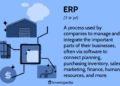
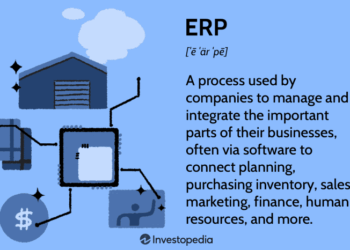
ERP (Enterprise Resource Planning) systems are software applications that help organizations manage and automate their core business processes, such as finance, human resources, supply chain, inventory, and customer relationship management. These systems integrate various functions into a single platform, providing real-time data and streamlining operations across different departments.
Primary Functions of ERP Systems
ERP systems offer a centralized database that enables data sharing and collaboration among different departments. They automate routine tasks, standardize processes, and provide insights through analytics and reporting tools. Additionally, ERP systems support decision-making by providing accurate and up-to-date information to managers and executives.
- Manage Financial Operations: ERP systems help track financial transactions, manage budgets, and generate financial reports.
- Optimize Supply Chain: By integrating supply chain processes, ERP systems improve inventory management, procurement, and production planning.
- Enhance Human Resources: From payroll processing to employee performance evaluation, ERP systems streamline HR functions and ensure compliance with regulations.
- Improve Customer Relationship Management: ERP systems store customer data, track interactions, and personalize marketing strategies to enhance customer satisfaction and loyalty.
ERP systems play a crucial role in increasing operational efficiency, reducing costs, and enhancing overall business performance.
Importance of ERP Systems in Modern Businesses
In today's fast-paced and competitive business environment, ERP systems are essential for organizations to stay agile and responsive to market demands. By providing a unified view of the entire organization, ERP systems enable better decision-making, resource optimization, and strategic planning.
Moreover, ERP systems facilitate compliance with regulatory requirements and industry standards, ensuring business continuity and risk management.
- Streamline Processes: ERP systems eliminate redundant tasks, reduce manual errors, and improve workflow efficiency.
- Enhance Data Visibility: With real-time data access, organizations can make informed decisions and respond quickly to changing market conditions.
- Drive Innovation: ERP systems support innovation by enabling organizations to adapt to new technologies, market trends, and customer preferences.
Top ERP Systems in the Market
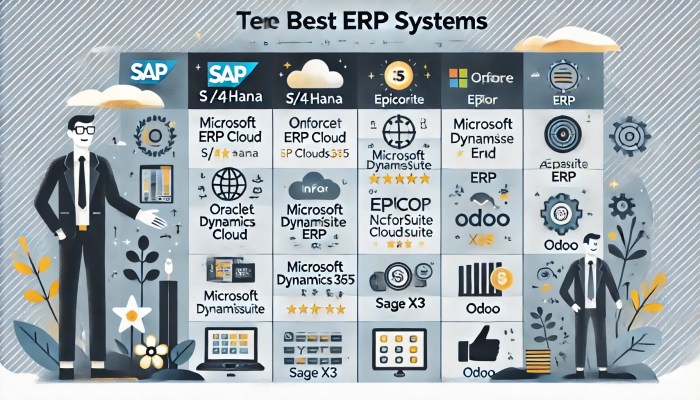
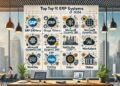
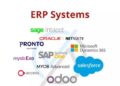
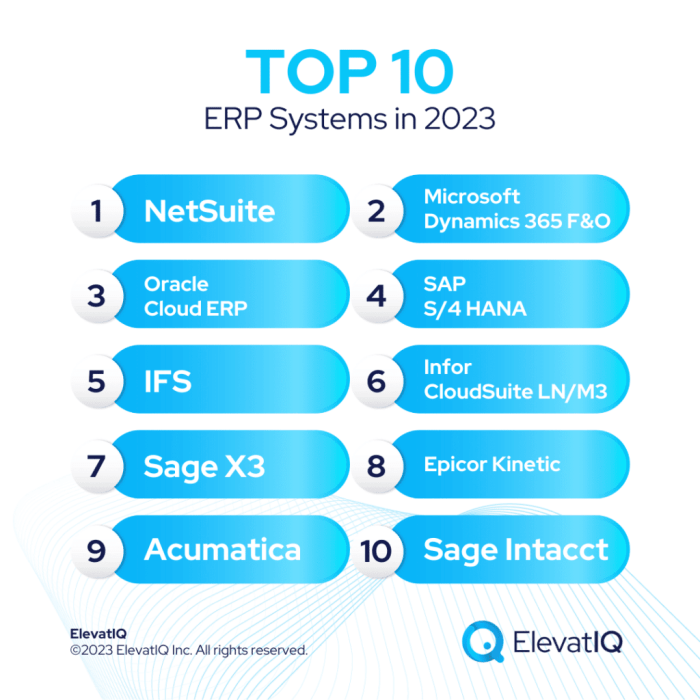
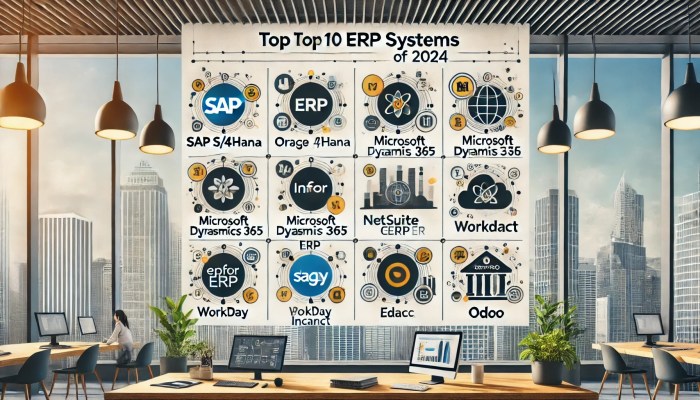
ERP (Enterprise Resource Planning) systems are essential tools for businesses to streamline operations, improve efficiency, and enhance decision-making processes. There are several top ERP systems in the market that cater to different industries and business needs. Let's take a look at some of the biggest ERP systems available today.
SAP ERP
SAP ERP is one of the most popular and widely used ERP systems globally. It offers a comprehensive suite of integrated applications that help businesses manage their operations effectively. SAP ERP is known for its robust capabilities in finance, human resources, supply chain management, and more.
It is commonly used in industries such as manufacturing, retail, healthcare, and professional services.
Oracle ERP Cloud
Oracle ERP Cloud is another leading ERP solution that provides a scalable and flexible platform for businesses of all sizes. It offers a wide range of modules for financial management, procurement, project management, and more. Oracle ERP Cloud is known for its advanced analytics and reporting capabilities, making it ideal for industries like finance, manufacturing, and telecommunications.
Microsoft Dynamics 365
Microsoft Dynamics 365 is a versatile ERP system that integrates seamlessly with other Microsoft products like Office 365 and Azure. It offers modules for finance, sales, customer service, and operations, making it a comprehensive solution for businesses looking to optimize their processes.
Microsoft Dynamics 365 is commonly used in industries such as retail, professional services, and manufacturing.
Infor CloudSuite
Infor CloudSuite is a cloud-based ERP system that caters to specific industries like manufacturing, distribution, and healthcare. It offers industry-specific modules that help businesses address their unique challenges and requirements. Infor CloudSuite is known for its user-friendly interface and scalability, making it a popular choice among businesses looking for industry-specific solutions.These top ERP systems have their own unique features and capabilities, making them suitable for different industries and business sizes.
Whether you're a small startup or a large enterprise, investing in the right ERP system can significantly improve your operational efficiency and decision-making processes.
Implementation Challenges
Implementing large ERP systems can be a complex and challenging process. Organizations may encounter various obstacles that can hinder the successful deployment of these systems. It is crucial to identify these challenges and develop effective strategies to overcome them to ensure a smooth implementation process.
Common Challenges When Implementing Large ERP Systems
- Lack of Top Management Support: Without strong support from top management, it can be difficult to secure the necessary resources and alignment across different departments for the ERP implementation.
- Data Migration Issues: Transferring data from legacy systems to the new ERP system can be a significant challenge, especially when dealing with large volumes of data and ensuring data accuracy.
- User Resistance: Employees may resist the change brought about by the new ERP system, leading to low adoption rates and decreased productivity.
- Integration Challenges: Integrating the ERP system with existing systems and processes within the organization can be complex and time-consuming.
- Cost Overruns and Time Delays: ERP implementations are often prone to cost overruns and delays, which can impact the overall success of the project.
Strategies to Overcome These Challenges Effectively
- Secure Top Management Support: Engage with top management early in the process, communicate the benefits of the ERP system, and ensure their active involvement throughout the implementation.
- Thorough Planning and Testing: Develop a detailed implementation plan, conduct thorough testing of the system before deployment, and address any issues proactively.
- Change Management: Implement a robust change management strategy to address user resistance, provide training and support to employees, and communicate effectively about the benefits of the new system.
- Engage Stakeholders: Involve key stakeholders from different departments in the implementation process to ensure their buy-in and alignment with the project goals.
- Monitor Progress Closely: Regularly monitor the progress of the implementation, identify potential risks early on, and take corrective actions to stay on track.
The Importance of Proper Training and Change Management During ERP Implementation
Proper training and change management are essential components of a successful ERP implementation. Training ensures that employees are equipped with the necessary skills to use the new system effectively, leading to higher adoption rates and improved productivity. Change management helps organizations navigate the cultural and organizational changes that come with implementing a new ERP system, reducing resistance and ensuring a smooth transition.
Customization and Integration
Customizing ERP systems to meet specific business needs is a crucial aspect of maximizing the benefits of these platforms. By tailoring the system to align with the unique processes and requirements of a company, organizations can optimize efficiency and effectiveness.
Integrating ERP systems with other software applications is equally important for seamless data flow and communication across different functions. This integration ensures that all systems work together harmoniously, eliminating silos and streamlining operations.
Customization of ERP Systems
Customization of ERP systems involves modifying the software to fit the specific needs of a business. This can include creating new modules, altering workflows, or adding unique functionalities.
Integration with Other Applications
Integrating ERP systems with other software applications such as CRM, BI, or HRMS systems is essential for creating a unified ecosystem that supports cross-functional processes and data exchange.
Examples of Successful Customization and Integration Projects
- Company X customized their ERP system to automate inventory management processes, resulting in a significant reduction in stockouts and inventory carrying costs.
- Organization Y integrated their ERP system with their e-commerce platform, enabling real-time order processing and inventory updates, leading to improved customer satisfaction and operational efficiency.
- Business Z customized their ERP system to include predictive analytics capabilities, enhancing decision-making and forecasting accuracy.
Cost Considerations
In the world of ERP systems, cost considerations play a crucial role in decision-making processes. Understanding the breakdown of costs associated with implementing and maintaining these systems is essential for organizations looking to invest in an ERP solution. Additionally, comparing pricing models of different ERP vendors and discussing factors that can influence the total cost of ownership can provide valuable insights for businesses.
Cost Breakdown
- Initial Implementation Costs: This includes expenses related to software licensing, hardware, training, and consulting services.
- Customization and Integration Costs: Tailoring the ERP system to meet specific business needs and integrating it with existing systems can add to the overall cost.
- Ongoing Maintenance and Support Costs: Regular updates, maintenance, and technical support services are necessary for the smooth functioning of the ERP system.
- Cloud vs. On-Premise Costs: Hosting an ERP system on the cloud may have different cost implications compared to on-premise deployment.
Pricing Models
- Perpetual Licensing: A one-time upfront payment for software licenses.
- Subscription-Based Pricing: Monthly or annual subscription fees for software access.
- User-Based Pricing: Costs are based on the number of users accessing the system.
- Module-Based Pricing: Pricing varies depending on the modules/modules used within the ERP system.
Factors Influencing Total Cost of Ownership
- Scope of Implementation: The size and complexity of the ERP project can impact costs.
- Training and Change Management: Investing in training programs and change management initiatives can affect ongoing costs.
- Scalability and Flexibility: The ability of the ERP system to scale with business growth and adapt to changing needs can influence long-term costs.
- Vendor Support and Updates: Reliable vendor support and timely updates are crucial for minimizing unexpected expenses.
Trends in ERP Systems
As technology continues to advance rapidly, the landscape of ERP systems is also evolving. In this section, we will highlight some of the emerging trends in ERP technology and discuss the impact of cloud-based ERP solutions on the market. We will also predict the future direction of ERP systems and how they may evolve over time.
Cloud-Based ERP Solutions
Cloud-based ERP solutions have been gaining popularity in recent years due to their flexibility, scalability, and cost-effectiveness. Organizations are increasingly moving towards cloud-based ERP systems to streamline their operations and improve efficiency. With the ability to access data and applications from anywhere, at any time, cloud-based ERP solutions offer a level of flexibility that traditional on-premise systems cannot match.
This trend is expected to continue as more organizations realize the benefits of cloud-based ERP solutions.
Artificial Intelligence and Machine Learning
Another significant trend in ERP systems is the integration of artificial intelligence (AI) and machine learning. These technologies are being used to automate repetitive tasks, improve decision-making processes, and provide valuable insights from data. By leveraging AI and machine learning capabilities, ERP systems can become more intelligent and predictive, enabling organizations to make informed decisions faster and more accurately.
Internet of Things (IoT) Integration
The integration of Internet of Things (IoT) devices with ERP systems is another emerging trend that is revolutionizing the way organizations manage their operations. By connecting IoT devices to ERP systems, organizations can collect real-time data, monitor performance metrics, and optimize processes in ways that were not possible before.
This trend is expected to continue as more IoT devices are deployed in various industries.
Final Thoughts
As we conclude our exploration of the biggest ERP systems, it becomes evident that these technological solutions are not just tools but strategic assets for companies aiming for growth and success. With continuous advancements and evolving trends, the future of ERP systems holds exciting possibilities for businesses worldwide.
Helpful Answers
What are the primary functions of ERP systems?
ERP systems help organizations manage and integrate key business processes such as finance, HR, inventory, and supply chain management.
Which industries commonly use the biggest ERP systems?
Biggest ERP systems are commonly used in industries like manufacturing, retail, healthcare, and finance.
How do ERP systems impact the total cost of ownership for businesses?
ERP systems can influence the total cost of ownership by streamlining processes, reducing errors, and improving overall efficiency, leading to cost savings in the long run.