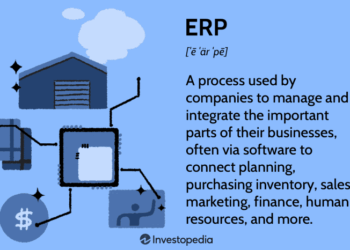

Exploring the world of ERP software, this introduction sets the stage for a deep dive into the key aspects of the best ERP solutions available. It offers a blend of informative insights and practical advice, ensuring readers grasp the importance and benefits of implementing top-tier ERP software in their business operations.
In the following paragraphs, we will delve into the essential features to look for, the implementation process, customization options, cost considerations, and much more regarding the best ERP software on the market.
Importance of ERP Software
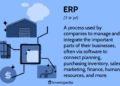
ERP software plays a crucial role in the efficient operation of businesses by integrating various functions and processes into a single system. This centralized approach helps companies streamline their operations, improve decision-making, and enhance overall productivity.
Streamlining Processes
- ERP software automates routine tasks, reducing manual errors and saving time.
- It provides real-time data visibility across departments, enabling better coordination and collaboration.
- By standardizing processes, ERP software ensures consistency and compliance with regulations.
Benefits of Implementing ERP Software
- Improved efficiency and productivity due to streamlined processes and reduced duplication of efforts.
- Better decision-making with access to accurate, up-to-date information for strategic planning.
- Cost savings through optimized resource utilization and enhanced inventory management.
- Enhanced customer satisfaction with faster response times and improved service quality.
Features to Look for in ERP Software
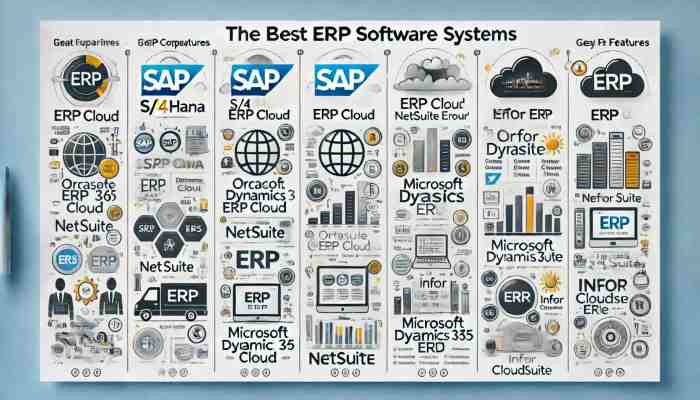
When choosing an ERP software for your business, it is important to consider the key features that can make it effective in improving your operations.
Integration Capabilities
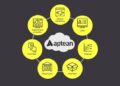
ERP systems with strong integration capabilities can streamline processes by connecting different departments and functions within the organization. This allows for real-time data sharing and collaboration, leading to better decision-making and increased efficiency.
Scalability
Look for ERP software that can grow with your business. Scalable solutions can adapt to the changing needs of your organization, whether it's adding new users, expanding to new locations, or integrating with other systems.
Customization Options
The ability to customize the ERP software to fit your specific business requirements is crucial. Look for solutions that offer flexibility in configuration, workflows, and reporting capabilities to ensure it aligns with your unique processes and goals.
Data Security
Data security is a top priority for any business. Choose an ERP software that provides robust security features, such as role-based access control, encryption, and regular data backups, to protect sensitive information and prevent unauthorized access.
Mobile Access
In today's fast-paced business environment, mobile access is essential for staying connected and productive. Look for ERP software that offers mobile compatibility, allowing users to access key information and perform tasks on-the-go, enhancing productivity and efficiency.
Analytics and Reporting
Effective ERP software should provide advanced analytics and reporting capabilities to help you make informed decisions. Look for solutions that offer customizable dashboards, real-time insights, and predictive analytics to optimize performance and drive growth.
Implementation of ERP Software
![10 Best ERP Software For Businesses [Top Picks For 2025]](https://travels.iwosumbar.com/wp-content/uploads/2025/12/best-ERP-software-1024x576-1.jpg "10 Best ERP Software For Businesses [Top Picks For 2025]")
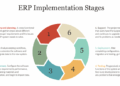
Implementing ERP software can be a complex process that requires careful planning and execution. Below are the steps involved in implementing ERP software, best practices for a successful implementation, and common challenges faced during the process.
Steps in Implementing ERP Software
- Planning and Preparation: Define goals, establish a project team, and conduct a thorough analysis of business processes.
- Selection of ERP Software: Choose the right ERP system that aligns with your business needs and goals.
- Customization and Configuration: Tailor the ERP software to meet specific requirements through configuration and customization.
- Data Migration: Transfer existing data to the new ERP system while ensuring data integrity and accuracy.
- Training and Testing: Provide comprehensive training for employees and conduct thorough testing to identify and resolve any issues.
- Go-Live and Support: Roll out the ERP system, provide ongoing support, and monitor performance to ensure a smooth transition.
Best Practices for Successful ERP Software Implementation
- Executive Sponsorship: Secure support from top management to drive the implementation process and ensure alignment with business objectives.
- Change Management: Address resistance to change by involving employees early in the process, communicating effectively, and providing necessary training.
- Phased Approach: Implement ERP software in phases to manage risks, monitor progress, and make adjustments as needed.
- Data Quality: Ensure data accuracy and consistency by cleaning and validating data before migration to the new system.
- Regular Evaluation: Continuously assess the performance of the ERP system, gather feedback from users, and make improvements as necessary.
Common Challenges During ERP Software Implementation
- Resistance to Change: Employees may resist adopting new processes and technologies, leading to delays and inefficiencies.
- Data Migration Issues: Data migration errors can result in data loss, duplication, or corruption, impacting the overall success of the implementation.
- Lack of Training: Inadequate training can hinder user adoption and lead to errors or inefficiencies in using the ERP system.
- Scope Creep: Changes in project scope, requirements, or timelines can disrupt the implementation process and lead to budget overruns.
- Integration Challenges: Integrating ERP software with existing systems and third-party applications can be complex and require careful planning and execution.
Customization and Integration of ERP Software
Customizing and integrating ERP software is crucial for businesses to optimize their operations and meet their specific needs. By tailoring the software to fit their unique requirements and seamlessly integrating it with existing systems, organizations can enhance efficiency, streamline processes, and improve overall performance.
Importance of Customization
Customizing ERP software allows businesses to adapt the system to their workflow, business model, and industry-specific requirements. This ensures that the software aligns perfectly with the organization's processes and helps maximize productivity and effectiveness.
Process of Integration
Integrating ERP software with existing systems involves connecting the ERP system with other software applications, databases, and tools used within the organization. This integration enables seamless data flow, real-time information sharing, and a unified view of operations across different departments.
Examples of Successful Customization and Integration
- Company A customized their ERP software to include specific modules for project management, resource allocation, and client invoicing, leading to improved project tracking and financial management.
- Company B successfully integrated their ERP system with their CRM software, enabling sales and customer service teams to access real-time customer data and streamline customer interactions.
- Company C customized their ERP software to automate inventory management processes and integrate it with their e-commerce platform, resulting in reduced stockouts, improved order fulfillment, and increased customer satisfaction.
Cost Considerations for ERP Software
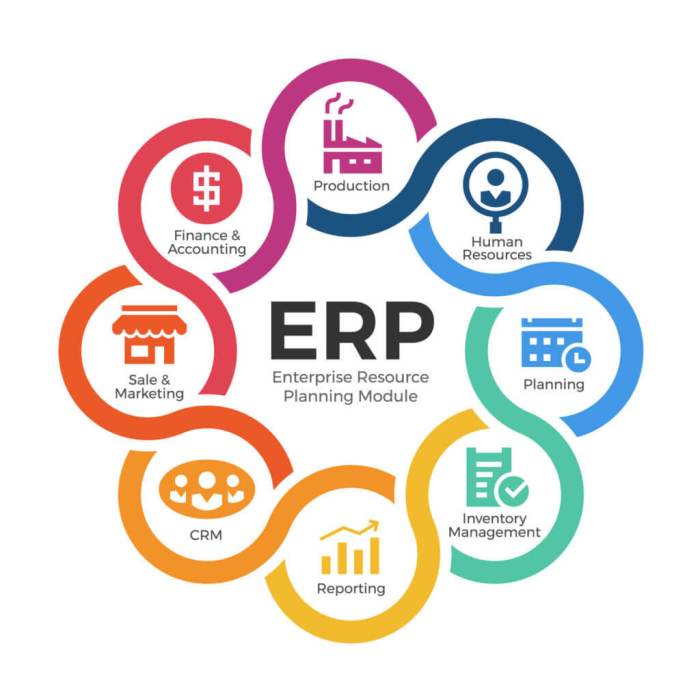
When it comes to implementing an ERP software solution, cost considerations play a crucial role in the decision-making process. Understanding the factors that affect the cost of ERP software, different pricing models used by ERP software providers, and tips for budgeting and cost optimization can help businesses make informed choices.
Factors Affecting the Cost of ERP Software
- Scope of Implementation: The size and complexity of your organization will impact the cost of ERP software. Larger enterprises with multiple departments and locations may require more customization and integration, leading to higher costs.
- Number of Users: The number of users accessing the ERP system can influence the pricing structure. Some ERP vendors charge per user, while others offer flat-rate pricing.
- Deployment Model: Whether you choose an on-premise, cloud-based, or hybrid deployment model can affect the upfront costs, ongoing maintenance fees, and scalability of the ERP software.
- Customization Requirements: Customizing the ERP software to meet specific business needs can incur additional costs. It's essential to balance customization with the overall budget to avoid overspending.
- Training and Support: Investing in training programs for employees and ongoing support services from the ERP vendor can contribute to the total cost of ownership.
Different Pricing Models for ERP Software
- Perpetual Licensing: Businesses pay a one-time fee to purchase the ERP software license, along with annual maintenance fees for updates and support.
- Subscription-Based: ERP software is offered on a monthly or annual subscription basis, allowing businesses to pay for the software on a recurring basis.
- Usage-Based: Some ERP vendors charge based on the usage metrics, such as the number of transactions processed or the volume of data stored in the system.
- Value-Based: Pricing is determined based on the perceived value delivered by the ERP software to the organization, aligning costs with benefits received.
Tips for Budgeting and Cost Optimization
- Define Your Requirements: Clearly Artikel your business needs and objectives to avoid overspending on unnecessary features and functionalities.
- Compare Multiple Vendors: Evaluate different ERP software providers to find the best fit for your budget and requirements, considering factors like total cost of ownership and ROI.
- Negotiate Pricing: Don't hesitate to negotiate pricing with ERP vendors, inquire about discounts, promotions, and flexible payment options to optimize costs.
- Consider Total Cost of Ownership: Look beyond the initial purchase price and factor in ongoing costs like maintenance, upgrades, training, and support to determine the true cost of ERP software.
- Plan for Scalability: Choose an ERP solution that can scale with your business growth without incurring significant additional costs in the future.
Epilogue
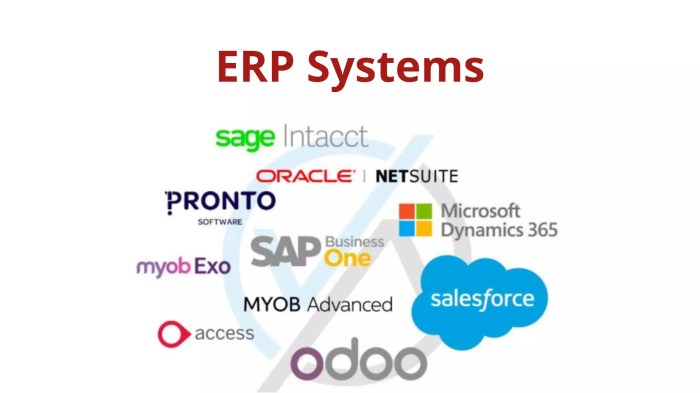
In conclusion, the discussion on the best ERP software sheds light on the significance of choosing the right solution for your business needs. By understanding the key features, implementation steps, customization possibilities, and cost factors, you can make an informed decision that will propel your business towards efficiency and success.
Essential FAQs
What are the key features to look for in ERP software?
The key features to consider include scalability, integration capabilities, customization options, reporting and analytics tools, and user-friendly interface.
How can ERP software streamline business processes?
ERP software streamlines processes by centralizing data, automating tasks, improving communication, and providing real-time insights for better decision-making.
What are the common challenges faced during ERP software implementation?
Common challenges include data migration issues, resistance to change from employees, lack of proper training, and integration complexities with existing systems.
How can businesses optimize costs when choosing an ERP software?
Businesses can optimize costs by conducting thorough research, negotiating pricing with vendors, considering cloud-based solutions, and focusing on essential features that align with their business goals.