
Delving into the realm of cloud manufacturing ERP, we uncover a revolutionary approach to modern manufacturing processes that is reshaping industries worldwide. From enhanced efficiency to improved collaboration, this innovative technology is paving the way for a new era in manufacturing.
Definition of Cloud Manufacturing ERP
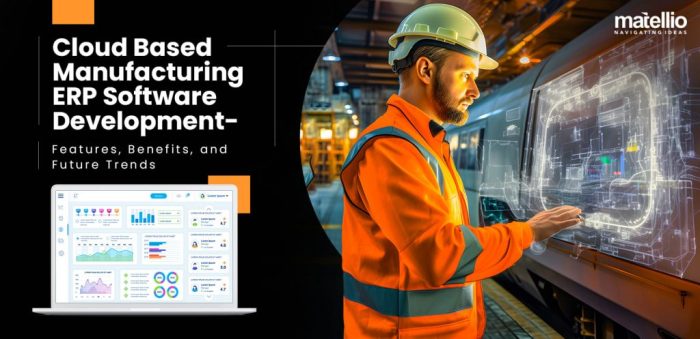
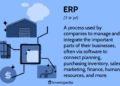
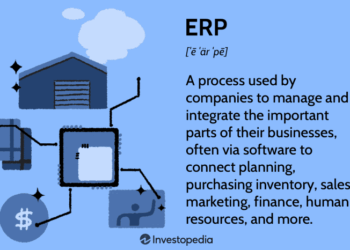
Cloud Manufacturing ERP, or Enterprise Resource Planning, is a software system that integrates various business functions such as planning, inventory management, production, and customer service in the cloud. This technology allows manufacturers to access real-time data, streamline operations, and improve overall efficiency.Cloud Manufacturing ERP differs from traditional ERP systems in that it is hosted on remote servers and accessed through the internet, eliminating the need for on-premise hardware and maintenance.
This results in lower upfront costs, increased scalability, and easier upgrades compared to traditional ERP systems.
Examples of Industries Benefiting from Cloud Manufacturing ERP
- Automotive Industry: Cloud Manufacturing ERP helps automotive manufacturers manage complex supply chains, track inventory levels, and improve production scheduling.
- Electronics Industry: Electronics manufacturers use Cloud Manufacturing ERP to streamline production processes, reduce lead times, and enhance product quality.
- Food and Beverage Industry: Cloud Manufacturing ERP enables food and beverage companies to maintain compliance with regulations, track ingredients and recipes, and optimize production efficiency.
Key Features of Cloud Manufacturing ERP
Cloud Manufacturing ERP systems come with a range of essential features that enhance operational efficiency and streamline processes in manufacturing environments. These key features include:
Real-Time Data Access and Analysis
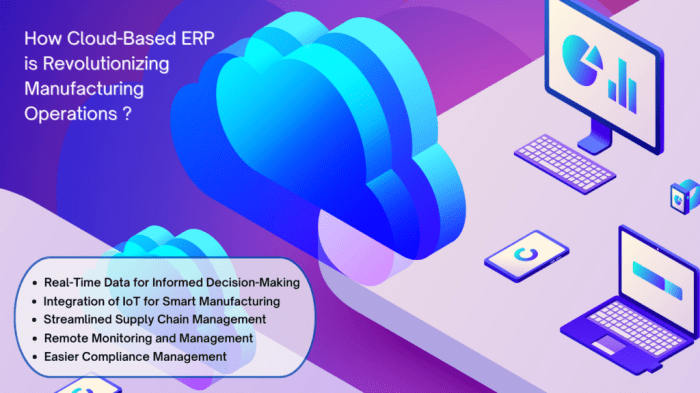
Cloud Manufacturing ERP solutions enable real-time access to critical data, allowing users to make informed decisions promptly. This feature ensures that all stakeholders have access to the most up-to-date information, leading to improved productivity and agility in responding to market changes.
Scalability and Flexibility
One of the significant advantages of Cloud Manufacturing ERP is its scalability and flexibility. As businesses grow or requirements change, cloud-based ERP systems can easily scale up or down to accommodate these variations. This flexibility allows organizations to adapt to evolving needs without the need for extensive IT infrastructure investments or disruptions in operations.
Integration Capabilities
Cloud Manufacturing ERP solutions offer seamless integration with other systems and applications, providing a holistic view of the entire manufacturing process. By integrating various functions such as inventory management, supply chain, and production planning, organizations can achieve better coordination and synchronization across departments, leading to improved efficiency and cost savings.
Enhanced Security and Data Protection
Cloud Manufacturing ERP systems prioritize data security and protection, utilizing advanced encryption methods and secure protocols to safeguard sensitive information. With regular updates and maintenance by the cloud service provider, organizations can ensure that their data is protected from cyber threats and unauthorized access, maintaining the integrity and confidentiality of critical business data.
Implementation Process of Cloud Manufacturing ERP
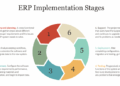
Implementing a Cloud Manufacturing ERP system involves several key steps to ensure a successful transition for organizations. It is essential to plan and execute the implementation process effectively to maximize the benefits of the cloud-based ERP solution.
Key Steps in Implementing Cloud Manufacturing ERP
- Evaluation and Planning: Conduct a thorough evaluation of the organization's current processes and IT infrastructure to determine the requirements for the cloud manufacturing ERP system.
- Vendor Selection: Choose a reputable cloud manufacturing ERP vendor that aligns with the organization's needs and goals.
- Data Migration: Transfer existing data to the cloud ERP system while ensuring data integrity and security.
- Training and Testing: Provide comprehensive training to employees on using the new system and conduct thorough testing to identify and resolve any issues.
- Go-Live and Support: Gradually roll out the cloud manufacturing ERP system across the organization and provide ongoing support to users.
Challenges in Implementing Cloud Manufacturing ERP
- Resistance to Change: Employees may resist adopting the new system due to fear of change or lack of understanding of its benefits.
- Data Security Concerns: Organizations may be apprehensive about the security of their data in the cloud and need reassurance about data protection measures.
- Integration Issues: Ensuring seamless integration with existing systems and processes can be challenging, leading to disruptions in operations.
Strategies for a Smooth Transition to Cloud Manufacturing ERP
- Executive Sponsorship: Secure buy-in from top management to drive the implementation process and encourage employee participation.
- Change Management: Implement a robust change management strategy to address resistance and facilitate a smooth transition for employees.
- Data Encryption and Compliance: Implement data encryption protocols and ensure compliance with industry regulations to address security concerns.
Benefits of Cloud Manufacturing ERP
Cloud Manufacturing ERP offers numerous benefits to businesses, ranging from cost-effectiveness to enhanced collaboration and improved efficiency. Let's delve into how implementing Cloud Manufacturing ERP can positively impact various aspects of your business.
Cost-Effectiveness
Cloud Manufacturing ERP helps companies save costs by eliminating the need for extensive hardware infrastructure and maintenance. With cloud-based solutions, businesses can reduce upfront investments and ongoing IT expenses, making it a cost-effective option for organizations of all sizes.
Improved Efficiency
By centralizing data and processes in a cloud-based system, Cloud Manufacturing ERP streamlines operations and enhances overall efficiency. Real-time access to data, automated workflows, and integrated modules enable faster decision-making and smoother business processes, leading to increased productivity and reduced operational bottlenecks.
Enhanced Collaboration
Cloud Manufacturing ERP facilitates seamless collaboration among teams, departments, and external partners. With cloud-based tools for communication, data sharing, and task management, employees can work together more effectively, regardless of their physical location. This enhanced collaboration fosters innovation, teamwork, and knowledge sharing within the organization.
Supply Chain Management
Cloud Manufacturing ERP optimizes supply chain management processes by providing real-time visibility into inventory levels, production schedules, and supplier performance. With accurate data and analytics at their fingertips, businesses can make informed decisions, reduce lead times, minimize stockouts, and enhance overall supply chain efficiency.
Contribution to Business Growth and Competitiveness
By leveraging Cloud Manufacturing ERP, businesses can scale operations, expand into new markets, and adapt to changing customer demands more quickly and efficiently. The agility and flexibility offered by cloud-based solutions enable companies to innovate, differentiate themselves from competitors, and stay ahead in today's dynamic business landscape.
Security and Compliance in Cloud Manufacturing ERP
Data security and compliance are critical aspects of Cloud Manufacturing ERP systems, especially when dealing with sensitive manufacturing data and intellectual property. Ensuring the protection of data and compliance with industry regulations are top priorities for organizations implementing Cloud Manufacturing ERP solutions.
Importance of Data Security and Compliance
- Protecting sensitive manufacturing data from unauthorized access or breaches is essential to maintain the confidentiality and integrity of the information.
- Compliance with regulations such as GDPR, HIPAA, or ISO standards is necessary to avoid legal consequences and maintain trust with customers and partners.
- Data security and compliance help in building a secure environment for manufacturing operations, preventing data loss or theft.
Common Security Threats and Mitigation Measures
- Common security threats include data breaches, malware attacks, phishing attempts, and insider threats.
- To mitigate risks, organizations can implement encryption protocols, multi-factor authentication, regular security audits, and employee training on cybersecurity best practices.
- Establishing access controls, monitoring user activities, and maintaining up-to-date security patches are crucial in preventing security threats.
Ensuring Data Integrity and Confidentiality
- Cloud Manufacturing ERP systems employ encryption techniques to secure data transmission and storage, ensuring data integrity throughout the manufacturing processes.
- Role-based access controls help in restricting access to sensitive information, maintaining confidentiality within the organization.
- Regular data backups and disaster recovery plans are essential components of ensuring data integrity and availability in case of unexpected events.
Ultimate Conclusion
In conclusion, the adoption of cloud manufacturing ERP presents a myriad of benefits for businesses, ranging from cost-effectiveness to streamlined operations. As organizations navigate the implementation process and address security concerns, the future of manufacturing looks brighter with cloud manufacturing ERP at its core.
Helpful Answers
What industries can benefit from Cloud Manufacturing ERP?
Cloud Manufacturing ERP can benefit industries such as automotive, electronics, and consumer goods by streamlining processes and enhancing collaboration.
How does Cloud Manufacturing ERP ensure data security?
Cloud Manufacturing ERP systems employ robust security measures like encryption and access controls to safeguard data integrity and confidentiality.
What are the key features of Cloud Manufacturing ERP systems?
Key features include real-time data access, scalability, and flexibility, enabling organizations to make informed decisions and adapt to changing business needs.