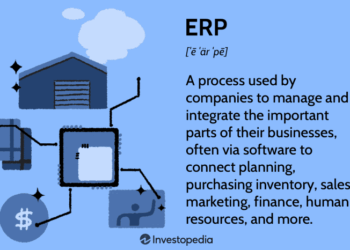

Enterprise resource planning project management is a critical aspect of modern business operations, merging the realms of technology and project execution. This comprehensive guide delves into the intricacies of integrating ERP with project management, shedding light on how organizations can streamline processes and enhance efficiency.
As we explore the key components, challenges, and benefits of ERP project management, you'll gain valuable insights into maximizing the potential of your business endeavors.
Introduction to Enterprise Resource Planning Project Management
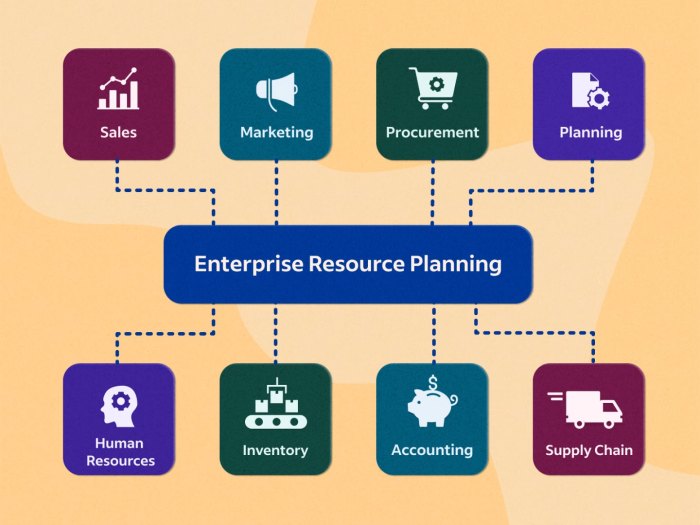
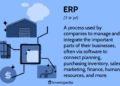
Enterprise Resource Planning Project Management involves the integration of ERP software with project management processes to enhance efficiency, productivity, and communication within an organization. By combining these two systems, businesses can streamline operations, improve resource allocation, and achieve better project outcomes.
Importance of integrating ERP with project management
- Enhanced Coordination: Integrating ERP with project management allows for better coordination and communication among team members, leading to smoother project execution.
- Improved Resource Management: ERP software provides real-time data on resource availability, enabling project managers to allocate resources effectively and avoid bottlenecks.
- Streamlined Processes: By automating repetitive tasks and workflows, ERP software helps streamline project processes, reducing manual errors and saving time.
- Increased Visibility: The integration of ERP and project management systems provides stakeholders with greater visibility into project status, progress, and performance metrics.
How ERP software aids project management processes
- Centralized Data:ERP software centralizes project data, making it accessible to all team members and stakeholders in real-time.
- Resource Planning:ERP systems help project managers plan and allocate resources efficiently, ensuring optimal utilization and cost-effectiveness.
- Financial Management:ERP software enables project managers to track project costs, budgets, and financial performance accurately.
- Reporting and Analytics:ERP systems provide robust reporting and analytics capabilities, allowing project managers to make data-driven decisions and monitor project KPIs.
Key Components of ERP Project Management
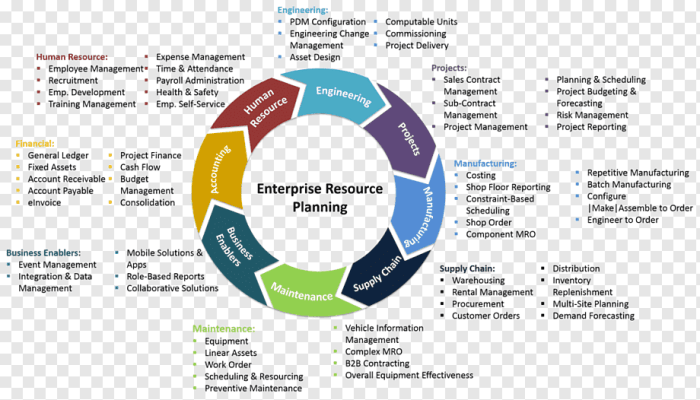
ERP project management involves various essential components that play a crucial role in the success of a project. These components help in planning, executing, monitoring, and controlling the project to ensure its timely completion and alignment with business goals.
Project Planning
- Define project scope, objectives, and deliverables
- Create a detailed project plan with timelines and milestones
- Allocate resources and budget for the project
Risk Management
- Identify potential risks and develop mitigation strategies
- Regularly assess and monitor risks throughout the project lifecycle
- Implement contingency plans to address unforeseen issues
Communication
- Establish clear communication channels with stakeholders
- Provide regular project updates and progress reports
- Address any issues or concerns promptly to ensure transparency
Change Management
- Evaluate and manage changes to project scope or requirements
- Communicate changes effectively to all team members and stakeholders
- Ensure changes are implemented smoothly without disrupting project timelines
Quality Assurance
- Define quality standards and performance metrics for the project
- Conduct regular quality checks and reviews to ensure deliverables meet requirements
- Implement corrective actions to address any quality issues identified
Challenges in Implementing ERP Project Management
Implementing ERP project management can be a complex process that presents various challenges. These challenges can range from technical issues to organizational resistance. Overcoming these hurdles is crucial to ensure a successful transition to ERP project management.
Resistance to Change
Resistance to change is a common challenge when implementing ERP project management. Employees may be hesitant to adopt new processes or technologies, fearing disruptions to their daily routines. To overcome this challenge, organizations need to communicate the benefits of ERP project management clearly
Providing training and support for employees during the transition can also help alleviate resistance.
Data Migration
Data migration is another significant challenge in ERP project management implementation. Moving large volumes of data from legacy systems to the new ERP platform can lead to data loss or corruption if not handled properly. To mitigate this risk, organizations should conduct thorough data audits, clean up data before migration, and test the migration process extensively to ensure data integrity.
Lack of Executive Support
Without strong executive support, ERP project management initiatives are likely to face roadblocks. Executives play a crucial role in setting the tone for the project, allocating resources, and making key decisions. To address this challenge, organizations should secure buy-in from top management early on and ensure that executives are actively involved in the project.
Scope Creep
Scope creep, the tendency for project scope to expand beyond initial boundaries, is a common challenge in ERP project management. To prevent scope creep, project managers should define clear project objectives, establish change control processes, and regularly review project scope with stakeholders.
Effective communication and project monitoring can help keep the project on track and prevent unnecessary scope changes.
Integration Issues
Integrating ERP systems with existing software applications and business processes can pose challenges during implementation. Compatibility issues, data synchronization problems, and workflow disruptions are common integration challenges. Organizations should conduct thorough integration testing, involve key stakeholders in the integration process, and develop contingency plans to address any integration issues that may arise.
Benefits of Integrating ERP with Project Management
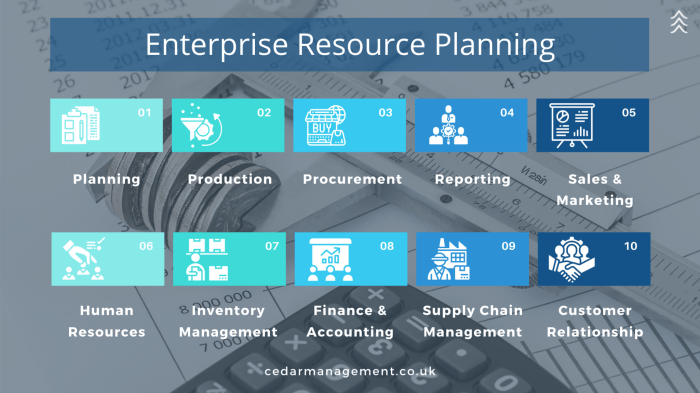
Integrating Enterprise Resource Planning (ERP) systems with project management offers a wide range of benefits for organizations. By combining these two crucial tools, companies can streamline their operations, enhance communication, and improve overall efficiency.
Improved Collaboration and Communication
ERP systems provide a centralized platform for project managers and team members to collaborate effectively. Real-time data sharing and communication tools within ERP software enable seamless coordination between different departments, ensuring that everyone is on the same page throughout the project lifecycle.
Enhanced Project Planning and Resource Allocation
Integrating ERP with project management allows for better project planning and resource allocation. By having access to real-time data on resource availability, project managers can make informed decisions when assigning tasks and allocating resources, leading to optimized project timelines and budgets.
Efficient Monitoring and Reporting
ERP systems offer robust reporting and monitoring capabilities that can be leveraged to track project progress, identify bottlenecks, and measure key performance indicators. This enables project managers to make data-driven decisions and quickly address any issues that may arise, ensuring successful project delivery.
Real-world Examples
One example of a company benefiting from integrating ERP with project management is Siemens. By implementing an integrated ERP and project management system, Siemens improved project visibility, streamlined processes, and enhanced collaboration across teams, leading to increased efficiency and profitability.Another example is Procter & Gamble, which utilized ERP software to integrate project management with supply chain operations.
This integration enabled P&G to optimize inventory management, reduce lead times, and improve forecasting accuracy, resulting in significant cost savings and enhanced customer satisfaction.In conclusion, the integration of ERP systems with project management offers numerous advantages for organizations looking to improve project outcomes and operational efficiency.
By leveraging the capabilities of both systems, companies can enhance collaboration, streamline processes, and achieve greater success in their projects.
Outcome Summary
In conclusion, the fusion of ERP with project management offers a myriad of advantages, from improved coordination to enhanced decision-making. By embracing this synergy, companies can propel their projects towards success in today's dynamic business landscape.
Query Resolution
What are some common challenges in implementing ERP project management?
Common challenges include resistance from employees, data migration issues, and the need for extensive training to adapt to new systems.
How can ERP enhance project planning and monitoring processes?
ERP systems provide real-time data access, improved resource allocation, and streamlined communication, resulting in more efficient project planning and monitoring.
What are some examples of tools used in ERP project management?
Tools such as Gantt charts, resource management software, and budget tracking systems are commonly used in ERP project management for effective project planning and execution.