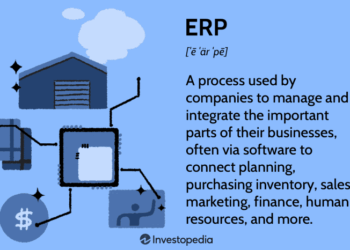

ERP Full revolutionizes the way businesses operate by seamlessly integrating various functions into a unified system. Dive into the world of ERP Full to uncover its transformative power and the benefits it brings to organizations of all sizes.
Overview of ERP Full
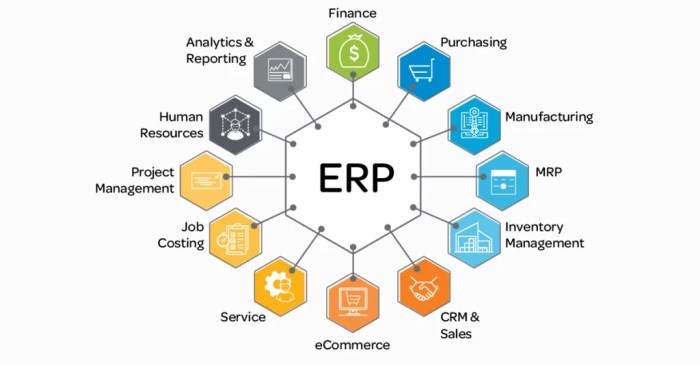
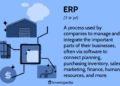
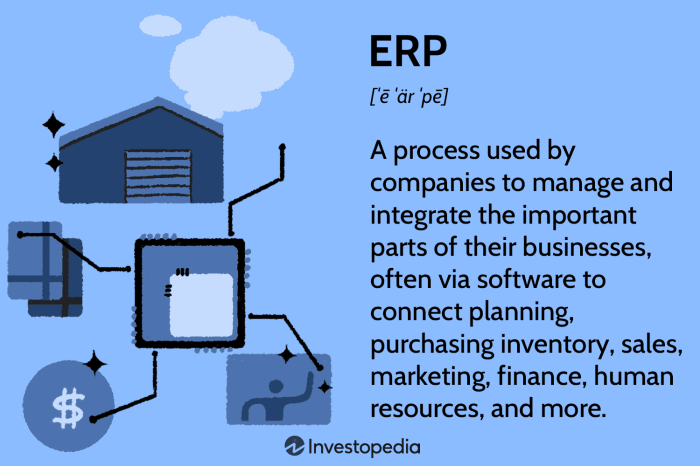
ERP Full, or Enterprise Resource Planning Full, is a comprehensive software solution that integrates various business functions into a single system to streamline processes, enhance efficiency, and improve decision-making within an organization.
Key Features and Benefits of ERP Full
Implementing ERP Full in an organization brings forth a multitude of benefits and features that contribute to its success and growth:
- Centralized Data Management: ERP Full consolidates data from different departments into a unified database, providing real-time access to information across the organization.
- Improved Efficiency: By automating repetitive tasks and standardizing processes, ERP Full reduces manual work and enhances productivity.
- Enhanced Reporting and Analytics: ERP Full offers advanced reporting tools and analytics capabilities, allowing businesses to gain valuable insights for better decision-making.
- Integration of Business Functions: ERP Full seamlessly integrates various functions such as finance, HR, supply chain, and customer relationship management, fostering collaboration and communication.
- Scalability and Flexibility: ERP Full is scalable to adapt to the changing needs of the organization and offers flexibility to customize modules according to specific requirements.
Types of ERP Full Systems
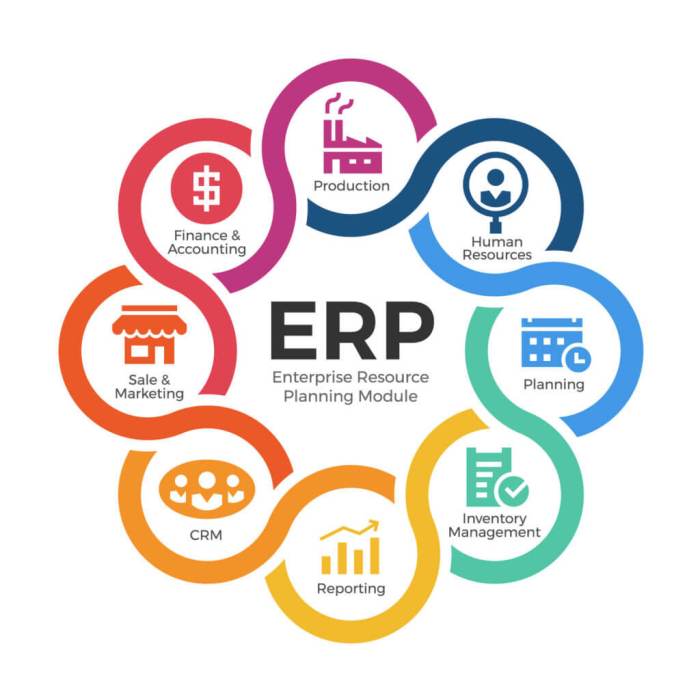
ERP Full systems come in various types to cater to different business needs and requirements. Let's explore some of the common types available in the market.
Cloud-based ERP vs On-premise ERP
When it comes to ERP Full systems, businesses have the option to choose between cloud-based solutions and on-premise installations. Both types have their own set of advantages and considerations.
Cloud-based ERP
These systems are hosted on remote servers and accessed through the internet. They offer the benefit of flexibility, scalability, and lower upfront costs. Cloud-based ERP systems are ideal for businesses looking for easy implementation and maintenance.
On-premise ERP
On-premise ERP solutions are installed locally on a company's own servers and computers. While they may require higher initial investments and IT resources, on-premise ERP systems provide greater control over data security and customization. They are suitable for businesses with specific compliance or security requirements.
Scalability and Customization Options
Different ERP Full systems offer varying levels of scalability and customization options to meet the unique needs of businesses. Some key points to consider include:
Scalability
Look for ERP systems that can scale with your business as it grows. Scalability ensures that the system can accommodate increased data volumes, users, and business operations without compromising performance.
Customization
Evaluate the level of customization offered by ERP Full systems to tailor the software to your specific business processes and workflows. Customization options allow businesses to adapt the system to their unique requirements and improve overall efficiency.Overall, the choice of ERP Full system will depend on factors such as business size, industry requirements, budget constraints, and long-term growth plans.
It's essential to assess each type of ERP system's features, benefits, and limitations to make an informed decision for your business.
Implementation of ERP Full
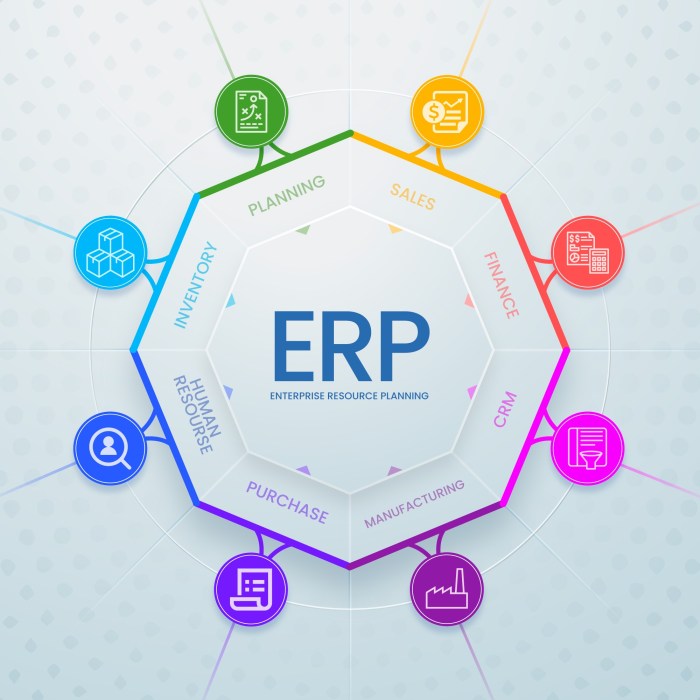
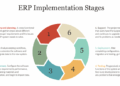
Implementing an ERP Full system requires careful planning and execution to ensure successful integration within an organization. This process involves several steps and considerations to address challenges and achieve desired outcomes.
Planning and Implementation Steps
Before implementing an ERP Full system, organizations need to:
- Conduct a thorough analysis of current business processes and identify areas for improvement.
- Define clear objectives and goals for the ERP implementation.
- Select a suitable ERP Full system that aligns with the organization's needs.
- Create a detailed implementation plan outlining tasks, timelines, and responsibilities.
- Train employees on the new system to ensure a smooth transition.
Challenges and Best Practices
Some common challenges in ERP Full implementation include:
- Resistance to change from employees accustomed to existing processes.
- Data migration issues when transferring information to the new system.
- Integration complexities with existing software and hardware systems.
Best practices for successful ERP Full implementation include:
- Engaging stakeholders throughout the process to ensure buy-in and support.
- Regular communication and updates to keep all parties informed.
- Testing the system thoroughly before full implementation to identify and address any issues.
Successful ERP Full Implementation Examples
Companies like XYZ Corporation and ABC Enterprises have successfully implemented ERP Full systems, resulting in:
- Streamlined business processes and increased operational efficiency.
- Improved data accuracy and decision-making capabilities.
- Cost savings through better resource allocation and reduced manual work.
Integration with Other Systems
Integrating ERP Full with other business systems is crucial for streamlining operations and maximizing efficiency.
Enhanced Data Flow
When ERP Full is integrated with systems like CRM (Customer Relationship Management) and SCM (Supply Chain Management), data flow across departments becomes seamless.
- Customer data from CRM can be directly linked to ERP Full, providing insights into customer behavior and preferences for better decision-making.
- Inventory data from SCM can be synchronized with ERP Full, ensuring accurate stock levels and efficient order processing.
- Financial data can flow between ERP Full and accounting systems, enabling real-time reporting and analysis.
Role of APIs
Application Programming Interfaces (APIs) play a key role in enabling smooth integration between ERP Full and other systems.
- APIs allow different systems to communicate and share data in a standardized format, eliminating the need for manual data entry and reducing errors.
- By leveraging APIs, businesses can create custom connections between ERP Full and specific applications, tailoring integrations to meet their unique requirements.
- APIs also enable the automation of tasks such as data synchronization, ensuring that information is up-to-date and accurate across all systems.
Security and Compliance in ERP Full
In an ERP Full system, security and compliance are crucial aspects that need to be carefully managed to protect sensitive data and ensure adherence to industry regulations and standards.
Security Measures in ERP Full
- Encryption: Utilizing encryption techniques to safeguard data both at rest and in transit, ensuring that only authorized users can access and decrypt the information.
- Access Controls: Implementing strict access controls to limit user permissions based on roles and responsibilities, reducing the risk of unauthorized access to critical data.
- Monitoring: Continuous monitoring of system activities and user behavior to detect any anomalies or suspicious activities, enabling timely response to potential security threats.
Compliance in ERP Full
- Industry Regulations: ERP Full systems are designed to comply with industry-specific regulations such as GDPR, HIPAA, or SOX, ensuring that data handling and processing meet the required standards.
- Standards Adherence: ERP Full solutions follow best practices and standards set by organizations like ISO to maintain data integrity, security, and privacy across the system.
Role of Encryption, Access Controls, and Monitoring
- Encryption:Protects sensitive data from unauthorized access by converting it into a secure format that can only be deciphered with the right encryption key.
- Access Controls:Restrict access to specific data and functionalities based on user roles, ensuring that only authorized personnel can perform certain actions within the ERP system.
- Monitoring:Constantly monitoring system activities and user interactions helps in identifying security breaches or unusual behavior, allowing for immediate response and mitigation of potential risks.
Ending Remarks
As we conclude our exploration of ERP Full, it becomes evident that this system is not just a tool but a game-changer in optimizing business processes and decision-making. Embrace ERP Full for a future of efficiency and growth.
Essential FAQs
How does ERP Full benefit businesses?
ERP Full streamlines operations, improves efficiency, enhances decision-making, and provides real-time insights for better business management.
What are the main challenges in implementing ERP Full?
Common challenges include resistance to change, data migration issues, training requirements, and ensuring compatibility with existing systems.
How does ERP Full ensure data security?
ERP Full systems employ encryption, access controls, and monitoring tools to safeguard data, ensuring compliance with industry regulations.