
Delving into the realm of ERP solutions, this paragraph sets the stage for a comprehensive exploration of how businesses can optimize their operations through streamlined processes and innovative technology.
Highlighting the key features, implementation steps, industry applications, current trends, and future developments, this discussion aims to provide valuable insights into the world of ERP solutions.
Definition of ERP Solutions
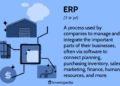
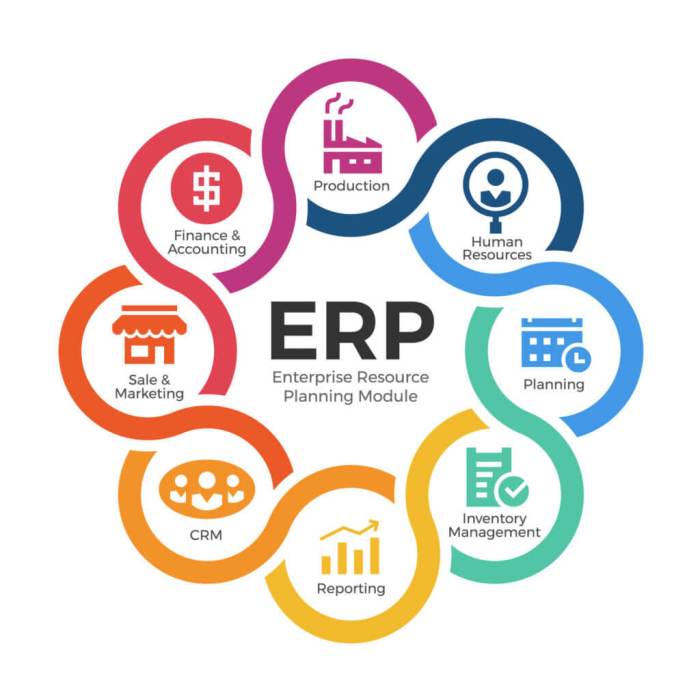
ERP (Enterprise Resource Planning) solutions are software systems designed to streamline and integrate various business processes and functions across an organization. These solutions provide a centralized platform for managing crucial operations, such as accounting, human resources, supply chain, inventory, and customer relationship management.
By consolidating data and automating workflows, ERP solutions help businesses improve efficiency, productivity, and decision-making.
Popular ERP Solutions in the Market
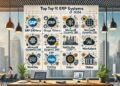
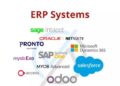
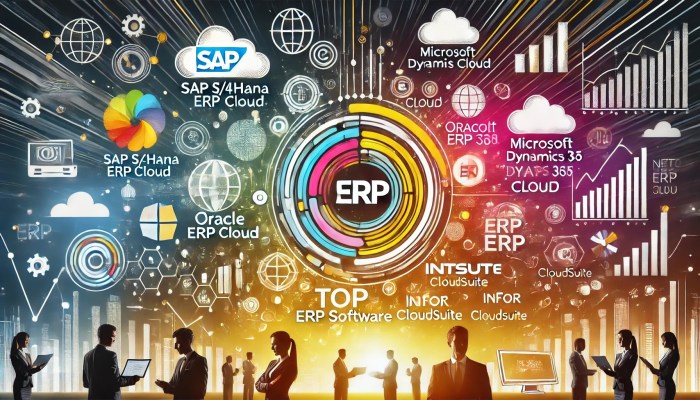
- SAP ERP: A comprehensive solution known for its robust features and scalability, widely used by large enterprises.
- Oracle ERP Cloud: A cloud-based ERP system offering flexibility and real-time insights for businesses of all sizes.
- Microsoft Dynamics 365: An integrated suite of ERP applications that cater to various industries and business needs.
Benefits of Implementing ERP Solutions for Businesses
- Improved Efficiency: ERP systems automate repetitive tasks, reducing manual errors and saving time.
- Enhanced Visibility: Centralized data allows for better tracking of operations and performance across departments.
- Better Decision-Making: Access to real-time insights and analytics enables informed decision-making for business growth.
- Cost Savings: By streamlining processes and reducing redundancies, ERP solutions help cut operational costs.
Key Features of ERP Solutions
ERP solutions offer a wide range of essential features that help streamline business processes and improve overall efficiency within an organization. These features are designed to integrate different departments, enhance communication, and provide customizable options to meet specific business needs.
Integration of Different Departments
ERP solutions play a crucial role in integrating various departments within an organization by centralizing data and processes. This integration allows for real-time collaboration and communication between departments, eliminating silos and improving overall workflow efficiency.
- Centralized Database: ERP solutions provide a centralized database where all departments can access relevant information in real-time, reducing data duplication and errors.
- Streamlined Processes: By automating and standardizing processes across different departments, ERP solutions ensure consistency and efficiency in operations.
- Improved Communication: With features like messaging systems and shared calendars, ERP solutions facilitate seamless communication between departments, promoting collaboration and teamwork.
Customization Options
ERP solutions offer a range of customization options to tailor the system to meet specific business requirements. This flexibility allows organizations to adapt the ERP solution to their unique processes and workflows, maximizing its effectiveness.
- Customizable Modules: ERP solutions typically come with a variety of modules that can be customized or added based on the organization's needs, ensuring a perfect fit for different business operations.
- Personalized Dashboards: Users can create personalized dashboards with key performance indicators and metrics relevant to their roles, providing a customized view of critical data.
- Scalability: ERP solutions are designed to scale with the organization, allowing for additional features or modules to be added as the business grows and evolves.
Implementation of ERP Solutions
Implementing ERP solutions in a company involves several key steps to ensure a successful integration of the software into the organization's processes. However, there are also challenges that may arise during the implementation phase. To overcome these challenges and ensure a smooth transition, best practices need to be followed throughout the ERP implementation process.
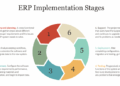
Steps involved in implementing ERP solutions:
- Planning and Preparation: Define the scope of the project, set objectives, allocate resources, and establish a timeline for implementation.
- Vendor Selection: Research and choose a reputable ERP vendor that aligns with the company's needs and budget.
- Customization and Configuration: Tailor the ERP system to meet the specific requirements of the company through configuration and customization.
- Data Migration: Transfer existing data from legacy systems to the new ERP solution, ensuring accuracy and consistency.
- Training and Testing: Provide comprehensive training to employees on how to use the ERP system effectively, and conduct thorough testing to identify and resolve any issues.
- Go-Live and Support: Launch the ERP system in the organization, provide ongoing support, and address any post-implementation issues promptly.
Challenges that may arise during ERP implementation:
- Resistance to Change: Employees may be hesitant to adopt new processes and technologies, leading to resistance and reluctance to use the ERP system.
- Data Integrity Issues: Inaccurate or incomplete data migration can result in data integrity issues, impacting the reliability of the information stored in the ERP system.
- Integration Challenges: Integrating the ERP system with existing systems and software can be complex and may require additional customization to ensure seamless integration.
- Cost Overruns: Unexpected costs can arise during implementation, such as additional customization or training expenses, leading to budget overruns.
Best practices for a successful ERP implementation process:
- Executive Sponsorship: Secure buy-in from top management to drive the ERP implementation process and ensure organizational support.
- Change Management: Implement a change management strategy to address employee resistance and facilitate a smooth transition to the new system.
- Regular Communication: Maintain open and transparent communication with employees throughout the implementation process to address concerns and provide updates.
- User Involvement: Involve end-users in the implementation process, gather feedback, and address user needs to improve user adoption and satisfaction.
- Continuous Improvement: Regularly evaluate the ERP system, gather feedback, and make necessary adjustments to enhance system performance and efficiency.
Industries Using ERP Solutions
ERP solutions are utilized across various industries to streamline operations, enhance productivity, and improve decision-making processes. These industries benefit from the integration of different functions and data management offered by ERP systems. Let's explore some of the key industries that commonly use ERP solutions and how these solutions cater to their specific needs.
Retail Industry
In the retail sector, ERP solutions help manage inventory, track sales, and analyze customer data to improve marketing strategies and enhance customer experience. For example, a leading global retail chain successfully implemented an ERP system to centralize data from multiple stores, leading to better inventory management and increased sales.
Manufacturing Industry
Manufacturing companies rely on ERP solutions to optimize production processes, manage supply chains, and track quality control. By integrating various departments such as production, procurement, and distribution, ERP systems enable manufacturers to make informed decisions and respond quickly to market demands.
A case study of a manufacturing company showed a significant reduction in production costs and improved efficiency after implementing an ERP solution.
Healthcare Industry
In the healthcare sector, ERP solutions play a crucial role in managing patient records, scheduling appointments, and tracking medical supplies. By centralizing data and automating administrative tasks, healthcare providers can focus more on patient care and improve overall operational efficiency.
A successful implementation of an ERP system in a hospital resulted in reduced waiting times for patients and streamlined billing processes.
Financial Services Industry
Financial institutions leverage ERP solutions to streamline financial reporting, manage risk, and comply with regulatory requirements. By integrating accounting, risk management, and compliance functions, ERP systems help financial services firms enhance transparency and accountability. A case study of a bank demonstrated improved regulatory compliance and reduced operational risks after adopting an ERP solution.
Trends in ERP Solutions
ERP solutions are continuously evolving to meet the changing needs of businesses in the digital age. Some of the key trends in ERP solutions include:
Cloud-Based ERP Systems
Cloud-based ERP systems have gained popularity due to their flexibility, scalability, and cost-effectiveness. Organizations are shifting towards cloud-based ERP solutions to streamline their operations and access real-time data from anywhere.
Impact of Emerging Technologies
- The integration of Artificial Intelligence (AI) in ERP solutions is revolutionizing decision-making processes by providing predictive analytics and insights.
- The Internet of Things (IoT) is enabling ERP systems to gather data from connected devices, improving efficiency and automation in various industries.
- Machine Learning algorithms are being utilized to optimize processes and enhance productivity within ERP solutions.
Future Developments
- Increased focus on cybersecurity within ERP solutions to protect sensitive data from cyber threats.
- Enhanced customization options to meet the unique requirements of different industries and organizations.
- Integration of blockchain technology to ensure transparent and secure transactions within ERP systems.
Closing Summary
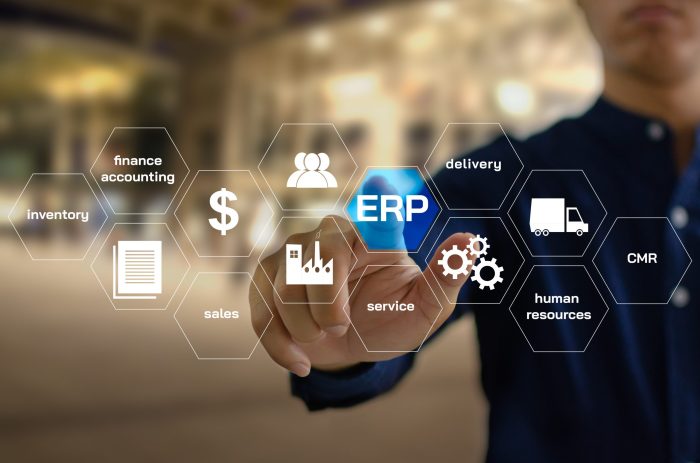
In conclusion, ERP solutions stand as a powerful tool for modern businesses seeking efficiency, integration, and adaptability. With the ever-evolving landscape of technology, embracing ERP solutions can pave the way for sustained success and growth in the competitive market.
FAQ Summary
What are ERP solutions?
ERP solutions are software platforms that help organizations manage and integrate their core business processes in real-time.
How do ERP solutions benefit businesses?
ERP solutions streamline operations, improve efficiency, enhance decision-making, and provide a centralized database for better data management.
What challenges can arise during ERP implementation?
Common challenges include data migration issues, resistance to change from employees, and ensuring compatibility with existing systems.
Which industries commonly use ERP solutions?
Industries such as manufacturing, retail, healthcare, finance, and logistics often leverage ERP solutions to optimize their processes.
What are some current trends in ERP solutions?
Current trends include the shift towards cloud-based ERP systems, integration of AI and IoT technologies, and increased focus on data analytics for decision-making.