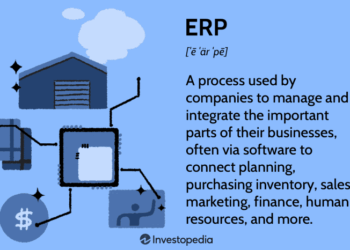

Hybrid ERP systems represent a dynamic fusion of on-premise and cloud-based solutions, revolutionizing traditional business processes and enhancing operational efficiency. Dive into the intricate world of hybrid ERP as we explore its benefits, implementation strategies, integration challenges, and security considerations.
Introduction to Hybrid ERP
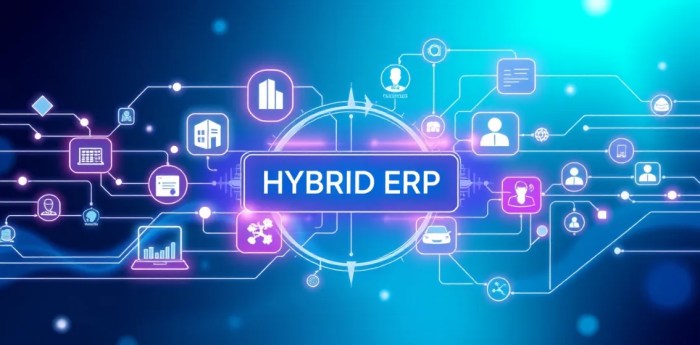
A hybrid ERP system combines both on-premise and cloud-based ERP solutions to meet the specific needs of an organization. This approach allows companies to leverage the benefits of both deployment models while addressing any limitations they may have individually.
By integrating on-premise and cloud ERP solutions, businesses can enjoy the flexibility and scalability of the cloud, along with the security and control of on-premise systems. This hybrid approach provides a more customizable and cost-effective solution for organizations looking to optimize their operations.
Benefits of Hybrid ERP
- Flexibility: Companies can choose which components to host on-premise and which to move to the cloud, providing a tailored solution.
- Scalability: The ability to scale resources up or down based on demand, ensuring efficient operations.
- Cost-Effectiveness: Organizations can save costs by utilizing cloud resources for peak periods and on-premise infrastructure for regular operations.
Examples of Industries Benefiting from Hybrid ERP
- Manufacturing: Hybrid ERP systems allow manufacturers to manage complex supply chains and production processes effectively.
- Retail: Retailers can benefit from the flexibility of hybrid ERP to handle seasonal fluctuations in demand and inventory management.
- Healthcare: Healthcare organizations can improve patient care and streamline operations by integrating on-premise and cloud ERP solutions.
Implementation of Hybrid ERP
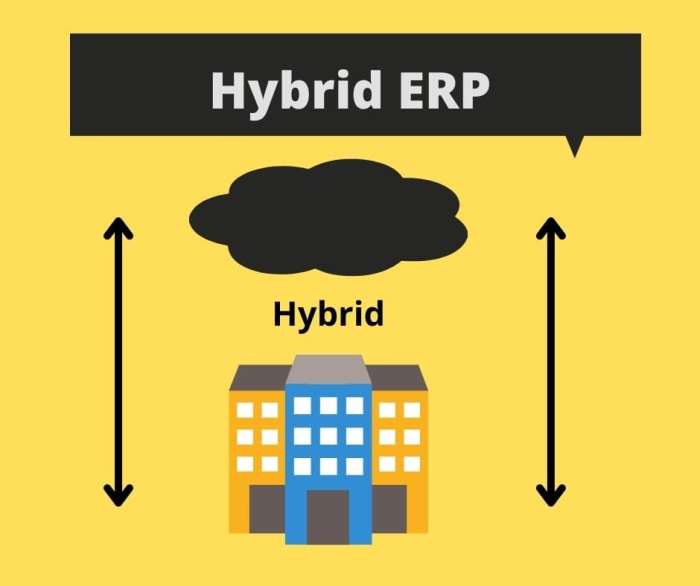
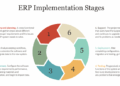
Implementing a hybrid ERP system involves several key steps to ensure a successful integration of both on-premise and cloud-based solutions.
Steps in Implementing a Hybrid ERP System
- Evaluate current systems and processes to identify areas that can benefit from hybrid ERP.
- Select the right hybrid ERP software vendor that meets the specific needs of your organization.
- Create a detailed implementation plan outlining timelines, resources, and responsibilities.
- Migrate data from legacy systems to the new hybrid ERP platform while ensuring data integrity.
- Train employees on how to use the new system effectively to maximize its benefits.
- Monitor the implementation process closely, addressing any issues or challenges that may arise.
- Continuously optimize and update the hybrid ERP system to adapt to changing business needs.
Comparison with Traditional ERP Systems
Compared to traditional ERP systems, the implementation of hybrid ERP offers more flexibility, scalability, and accessibility. Traditional ERP systems are usually more complex and costly to implement due to their on-premise nature, while hybrid ERP systems provide a mix of on-premise and cloud-based solutions, allowing for easier integration and customization.
Best Practices for a Successful Hybrid ERP Implementation
- Involve key stakeholders from different departments in the decision-making process to ensure alignment with business goals.
- Communicate effectively with employees throughout the implementation process to address concerns and promote adoption.
- Set clear objectives and milestones to track progress and ensure timely completion of the implementation.
- Regularly assess the performance of the hybrid ERP system and make adjustments as needed to optimize its functionality.
- Work closely with the chosen ERP vendor to leverage their expertise and support during the implementation process.
- Provide comprehensive training and support to employees to facilitate a smooth transition to the new system.
Integration of On-Premise and Cloud ERP
Integrating on-premise and cloud ERP systems poses several challenges due to differences in technology, architecture, and data management. However, with the right strategies and tools, businesses can overcome these hurdles and achieve a seamless hybrid ERP environment.
Challenges of Integration
- Compatibility issues between on-premise and cloud systems
- Data synchronization and consistency
- Security and compliance concerns
- Integration complexity and cost
Strategies to Overcome Integration Challenges
- Standardize data formats and protocols for seamless communication
- Implement middleware solutions for data integration and transformation
- Utilize APIs for connecting on-premise and cloud applications
- Adopt a phased approach to integration to minimize disruptions
Tools and Technologies for Seamless Integration
- Integration platforms like Dell Boomi, MuleSoft, or Informatica
- API management tools such as Apigee or Azure API Management
- Data integration tools like Talend or SnapLogic
- Cloud-based integration solutions like Jitterbit or Workato
Security and Compliance in Hybrid ERP
When it comes to hybrid ERP systems, ensuring security and compliance is crucial to safeguard sensitive data and adhere to regulations. Let's delve into the security risks associated with hybrid ERP, compliance requirements, and strategies for maintaining data security in this environment.
Security Risks of Hybrid ERP Systems
- Increased Attack Surface: Hybrid ERP systems combine on-premise and cloud solutions, creating a larger attack surface for cyber threats.
- Data Fragmentation: Data stored across different platforms can lead to fragmentation, making it challenging to secure and monitor all data effectively.
- Integration Vulnerabilities: Integrating on-premise and cloud ERP systems can introduce vulnerabilities that cybercriminals may exploit.
- Access Control Issues: Managing user access in a hybrid environment can be complex, potentially leading to unauthorized access to critical information.
Compliance Requirements in Hybrid ERP Setup
- GDPR Compliance: Organizations must ensure that data stored in both on-premise and cloud systems complies with the General Data Protection Regulation.
- Industry-Specific Regulations: Different industries have specific compliance requirements that must be met when handling sensitive data in a hybrid ERP setup.
- Data Localization Laws: Some countries have regulations that mandate data to be stored in specific geographical locations, posing challenges for hybrid ERP systems with data distributed across multiple platforms.
Strategies for Ensuring Data Security and Compliance
- Encryption: Implement strong encryption protocols to protect data both in transit and at rest, ensuring that sensitive information remains secure.
- Regular Audits: Conduct regular security audits to identify vulnerabilities and ensure compliance with relevant regulations.
- Role-Based Access Control: Implement role-based access control to manage user permissions effectively and prevent unauthorized access to critical data.
- Training and Awareness: Educate employees about security best practices and the importance of compliance to mitigate risks associated with hybrid ERP systems.
Last Word
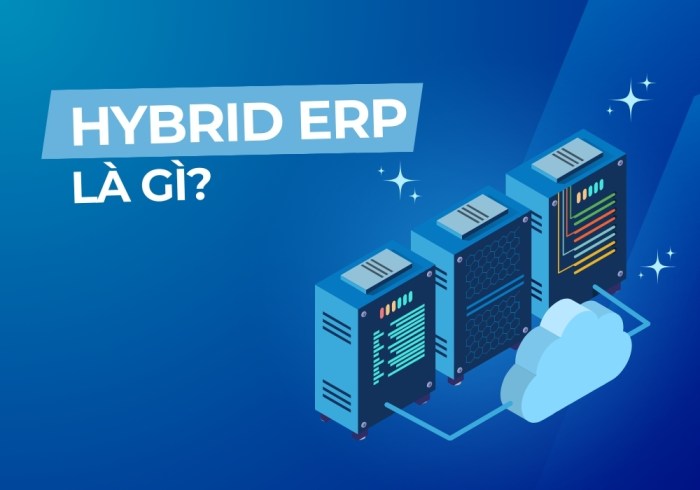
In conclusion, hybrid ERP systems offer a versatile and innovative approach to streamline business operations, providing companies with the flexibility and scalability needed to thrive in today's competitive landscape. Embrace the power of hybrid ERP and elevate your organization to new heights of success.
FAQs
What industries can benefit from hybrid ERP systems?
Hybrid ERP systems are particularly advantageous for industries with complex operations like manufacturing, healthcare, and retail, where a combination of on-premise and cloud solutions can optimize processes.
What are the best practices for implementing a successful hybrid ERP system?
Key best practices include thorough planning, stakeholder involvement, comprehensive training, and continuous monitoring to ensure a smooth transition and maximize the benefits of a hybrid ERP setup.
How can companies ensure data security in a hybrid ERP environment?
Companies can enhance data security in a hybrid ERP setup by implementing robust encryption measures, access controls, regular audits, and compliance with industry regulations to safeguard sensitive information.