
Diving into the realm of IQMS ERP, this introduction aims to provide a detailed look at the intricacies of Enterprise Resource Planning. From its primary functions to the industries it serves, this overview sets the stage for a deep dive into the world of IQMS ERP.
As we delve further, we will explore the key features, implementation strategies, customization options, and training support that make IQMS ERP a vital tool for modern businesses.
Overview of IQMS ERP
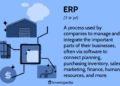
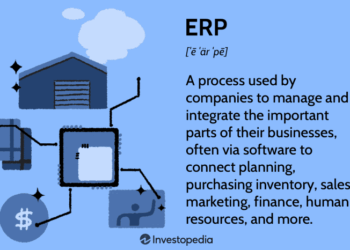
IQMS ERP, or Enterprise Resource Planning, is a comprehensive software solution that integrates various business processes such as accounting, inventory management, production planning, quality control, and more into a single system. It helps streamline operations, improve efficiency, and provide real-time insights for better decision-making.
Industries using IQMS ERP
IQMS ERP is commonly used in industries such as manufacturing, automotive, aerospace, food and beverage, medical devices, and electronics. These sectors benefit greatly from the centralized data management and process automation that IQMS ERP provides.
Benefits of Implementing IQMS ERP
- Improved Efficiency: IQMS ERP automates tasks, reduces manual errors, and speeds up processes, leading to increased productivity.
- Enhanced Visibility: With real-time data access and reporting capabilities, businesses can make informed decisions quickly.
- Cost Reduction: By optimizing operations and reducing waste, IQMS ERP helps lower production costs and overhead expenses.
- Compliance and Quality Control: The system ensures adherence to industry regulations and standards, enhancing product quality and customer satisfaction.
- Scalability: IQMS ERP can grow with the business, accommodating increased production volumes and expanding operations seamlessly.
Features of IQMS ERP
IQMS ERP offers a wide range of features that streamline business operations and improve efficiency. From inventory management to production scheduling and quality control, IQMS ERP provides comprehensive solutions for modern businesses.
Inventory Management
IQMS ERP includes robust inventory management capabilities that allow businesses to track and manage their inventory in real-time. With features such as barcode scanning, automated replenishment, and forecasting tools, IQMS ERP helps organizations optimize their inventory levels and reduce carrying costs.
Production Scheduling
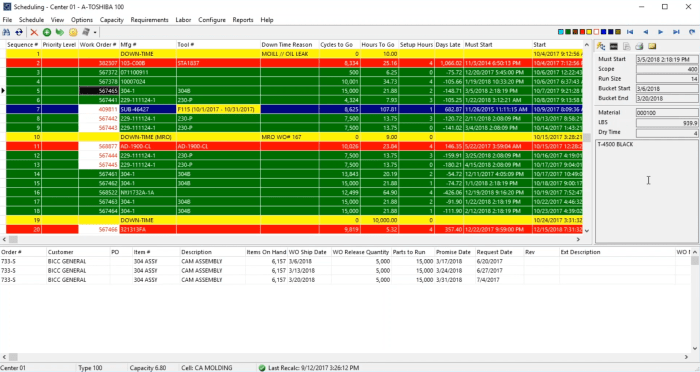
One of the key features of IQMS ERP is its advanced production scheduling functionality. By integrating production planning, scheduling, and execution, IQMS ERP enables businesses to optimize their production processes and meet customer demands more effectively. The system provides real-time visibility into production schedules, resource allocation, and capacity planning, helping organizations improve efficiency and on-time delivery.
Quality Control
IQMS ERP includes robust quality control features that help businesses maintain high standards of product quality and compliance. From automated inspections and testing to real-time monitoring and reporting, IQMS ERP enables organizations to identify and address quality issues quickly. By integrating quality control processes with production and inventory management, IQMS ERP helps businesses reduce waste, rework, and defects, resulting in improved customer satisfaction and loyalty.
Implementation of IQMS ERP
Implementing IQMS ERP in a company can be a complex process, but following best practices and understanding the steps involved can help ensure a successful deployment. Let's explore the key aspects of implementing IQMS ERP software and how to overcome common challenges that may arise.
Best Practices for Implementing IQMS ERP
- Start by clearly defining your goals and objectives for implementing IQMS ERP to ensure alignment with your business needs.
- Allocate dedicated resources, including a project manager and implementation team, to oversee the deployment process.
- Conduct thorough training sessions for employees to familiarize them with the new system and ensure a smooth transition.
- Regularly communicate with stakeholders to provide updates on the implementation progress and address any concerns or feedback.
- Perform rigorous testing of the software before full deployment to identify and resolve any issues or bugs.
Steps Involved in Deployment of IQMS ERP Software
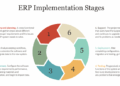
- Planning: Define project scope, objectives, and timeline.
- System Evaluation: Assess current processes and identify areas for improvement.
- Configuration: Customize IQMS ERP to meet your specific business requirements.
- Data Migration: Transfer existing data to the new system accurately and securely.
- Training: Provide comprehensive training to employees at all levels to ensure successful adoption.
- Testing: Conduct thorough testing to validate system functionality and performance.
- Go-Live: Launch the system and monitor its performance post-implementation.
Common Challenges and How to Overcome Them
- Resistance to Change: Address employee concerns through effective communication and training programs to emphasize the benefits of the new system.
- Data Integration Issues: Ensure proper data mapping and validation to prevent data discrepancies during migration.
- Lack of Executive Support: Secure buy-in from top management to drive the implementation process and overcome organizational barriers.
- Scope Creep: Stay focused on the initial project scope and objectives to prevent unnecessary additions that may delay the implementation.
Customization and Integration with IQMS ERP
Customization and integration are crucial aspects when implementing IQMS ERP to ensure it meets the specific needs of a business and seamlessly integrates with existing software systems
Customization of IQMS ERP
IQMS ERP offers various customization options to tailor the system to the unique requirements of a business. Some examples include:
- Customizing workflows and processes to align with specific business operations.
- Configuring user permissions and access levels based on roles within the organization.
- Adapting reporting and analytics tools to generate insights relevant to the business.
Integration with Other Software Systems
IQMS ERP can be seamlessly integrated with other software systems to streamline data flow and enhance overall efficiency. Examples of software systems that can be integrated with IQMS ERP include:
- Accounting software for financial data synchronization.
- Supply chain management systems for inventory and procurement coordination.
- Customer relationship management (CRM) software for sales and customer data consolidation.
Data Migration and System Compatibility
When integrating IQMS ERP with other software systems, data migration and system compatibility are critical considerations to ensure smooth operation. It is essential to:
- Verify data accuracy and consistency during migration to prevent errors and discrepancies.
- Ensure that the systems being integrated are compatible with IQMS ERP to facilitate seamless data exchange.
- Conduct thorough testing and validation post-integration to identify and resolve any issues promptly.
Training and Support for IQMS ERP
Training and support are essential components for the successful implementation and utilization of IQMS ERP within an organization. Let's delve into the available training programs, the role of technical support, and tips for a smooth transition.
Training Programs
Training programs for IQMS ERP are designed to equip users with the knowledge and skills needed to effectively utilize the system. These programs may include on-site training, online courses, webinars, and user manuals. It is crucial for employees at all levels to undergo training to ensure a comprehensive understanding of the software's functionalities.
- On-site Training: In-person training sessions conducted by experts allow users to interact directly with the system and ask questions in real-time.
- Online Courses: Self-paced online courses provide flexibility for users to learn at their own convenience and pace.
- Webinars: Interactive webinars offer a platform for users to engage with trainers, ask questions, and receive immediate feedback.
- User Manuals: Comprehensive user manuals serve as valuable resources for users to refer back to for guidance on using IQMS ERP.
Technical Support
Technical support plays a crucial role in maintaining IQMS ERP systems and addressing any issues that may arise during operation. It is essential to have a dedicated support team available to provide assistance, troubleshoot problems, and ensure the system runs smoothly.
Quick access to technical support can prevent downtime and minimize disruptions in workflow.
Tips for a Smooth Transition
Transitioning to using IQMS ERP can be challenging, but with proper planning and execution, the process can be streamlined for a successful integration within the organization.
- Communicate Effectively: Ensure clear communication with employees about the implementation process, training schedules, and expected outcomes.
- Assign Key Roles: Designate individuals within the organization to oversee the implementation and training process to ensure accountability and efficiency.
- Provide Ongoing Support: Offer continuous support and resources for users post-training to address any questions or concerns that may arise.
- Collect Feedback: Encourage feedback from users to identify areas for improvement and make necessary adjustments to enhance user experience.
Closing Summary
In conclusion, IQMS ERP stands as a powerful solution for streamlining business operations, fostering collaboration, and enhancing productivity. With its robust features and comprehensive support, IQMS ERP continues to be a cornerstone in the realm of Enterprise Resource Planning.
Question & Answer Hub
What industries benefit the most from IQMS ERP?
IQMS ERP is commonly used in industries such as manufacturing, automotive, food and beverage, and electronics where robust production management and quality control are essential.
How can companies overcome challenges during IQMS ERP implementation?
To overcome challenges during implementation, companies should ensure thorough training for employees, dedicated technical support, and a phased approach to deployment to address issues effectively.
Is data migration important when integrating other software systems with IQMS ERP?
Yes, data migration is crucial for ensuring seamless integration between IQMS ERP and other software systems to maintain accuracy and consistency in business operations.