
As retail ERP software becomes increasingly essential in the retail landscape, this introduction invites readers into a realm where technology meets efficiency, offering a comprehensive look at the key aspects and benefits of this innovative solution.
Moving forward, we will delve deeper into the realm of retail ERP software to uncover its impact on businesses and the strategies that drive success in today's competitive market.
Introduction to Retail ERP Software
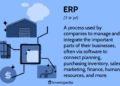
Retail ERP software, also known as Enterprise Resource Planning software, is a specialized solution designed to help retail businesses manage and streamline their operations effectively. This software integrates various functions such as inventory management, sales, customer relationship management, accounting, and more into one centralized system, allowing for better visibility and control over all aspects of the retail business.Using Retail ERP software in a retail environment can bring numerous benefits, including improved efficiency, increased productivity, better decision-making through real-time data insights, reduced operational costs, enhanced customer satisfaction, and overall business growth.
By automating processes and providing a holistic view of the business, Retail ERP software enables retailers to optimize their operations and stay competitive in the market.
Examples of Popular Retail ERP Software Solutions
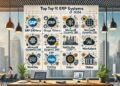
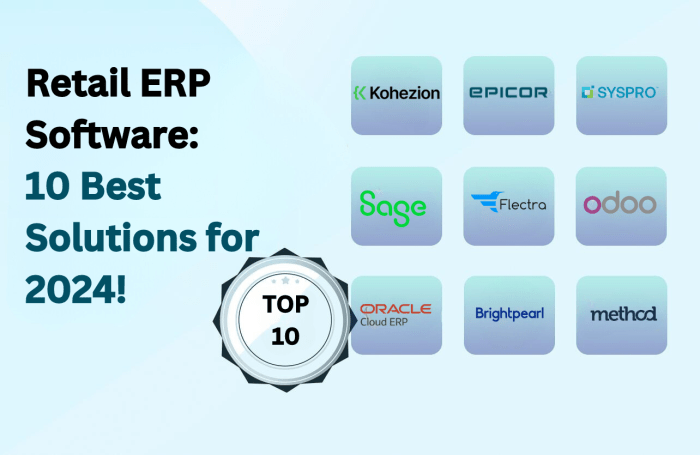
- 1. Oracle Retail: Oracle offers a comprehensive suite of Retail ERP software solutions that cater to the needs of retail businesses of all sizes. Their software covers areas such as merchandising, supply chain, finance, and more, providing a seamless end-to-end solution.
- 2. SAP for Retail: SAP is a leading provider of ERP software, and their Retail solution is tailored to meet the specific requirements of the retail industry. With features like omnichannel retailing, inventory optimization, and customer engagement, SAP for Retail is a popular choice among retailers worldwide.
- 3. Microsoft Dynamics 365 Commerce: Microsoft's ERP solution for retail, Dynamics 365 Commerce, offers a unified platform for managing retail operations, sales, customer service, and more. With built-in AI capabilities and advanced analytics, this software helps retailers drive personalized customer experiences and operational efficiency.
Key Features of Retail ERP Software
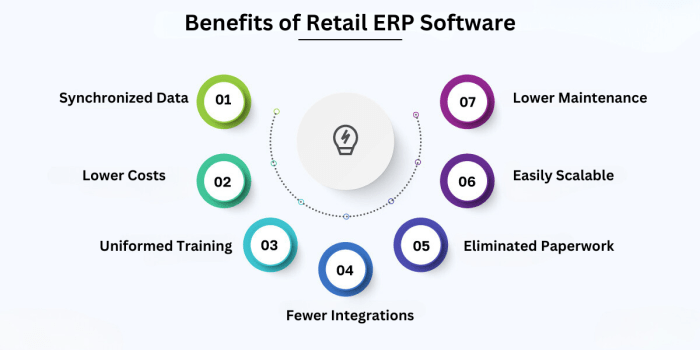
Retail ERP software comes equipped with a wide range of features designed to streamline operations and enhance efficiency in retail businesses. These features play a crucial role in managing various aspects of retail operations, from inventory management to customer relationship management.
Inventory Management
- Track and manage inventory levels in real-time to prevent stockouts or overstocking
- Automate reorder processes based on preset thresholds or sales trends
- Integrate barcode scanning technology for accurate and efficient inventory tracking
Point of Sale (POS) Integration
- Seamlessly integrate POS systems with ERP software for streamlined transactions
- Centralize sales data for easy access and analysis
- Generate real-time reports on sales performance and trends
Customer Relationship Management (CRM)
- Manage customer data and interactions to improve customer satisfaction and loyalty
- Personalize marketing campaigns based on customer preferences and purchase history
- Track customer feedback and resolve issues promptly for enhanced customer service
Analytics and Reporting
- Access real-time data and analytics to make informed business decisions
- Generate customizable reports on various aspects of retail operations
- Identify trends, patterns, and opportunities for growth through data analysis
Implementation of Retail ERP Software
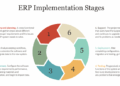
Implementing Retail ERP software is a crucial process that requires careful planning and execution to ensure smooth integration within an organization.
Steps involved in implementing Retail ERP software
- Assessment of current systems and processes to identify areas that need improvement.
- Selection of the right Retail ERP software vendor based on specific business requirements.
- Customization of the software to meet the unique needs of the organization.
- Data migration from existing systems to the new ERP software.
- Training employees on how to use the new software effectively.
- Testing the software to ensure it functions correctly before full deployment.
- Gradual rollout of the software across different departments or locations.
Challenges organizations may face during implementation
- Resistance from employees who are accustomed to old systems and processes.
- Data security concerns during the migration process.
- Inadequate training leading to underutilization of the software.
- Budget constraints affecting the implementation timeline.
- Integration issues with existing software or hardware systems.
Best practices for a successful Retail ERP software implementation
- Involve key stakeholders from different departments in the decision-making process.
- Set clear goals and objectives for the implementation to track progress.
- Provide extensive training and support to employees to ensure a smooth transition.
- Regularly communicate updates and changes to keep all team members informed.
- Conduct thorough testing and quality assurance before fully implementing the software.
Integration with Other Systems
When it comes to retail ERP software, integrating with other systems such as POS (Point of Sale) and CRM (Customer Relationship Management) is crucial for maximizing operational efficiency and streamlining business processes.
Common Integrations and Benefits
- POS Integration: By integrating ERP software with POS systems, retailers can ensure real-time synchronization of sales data, inventory levels, and customer information. This leads to improved accuracy in financial reporting, inventory management, and customer insights.
- CRM Integration: Connecting ERP with CRM systems allows businesses to have a 360-degree view of customer interactions, purchase history, and preferences. This integration enables personalized marketing campaigns, efficient customer service, and enhanced customer retention.
- Accounting Software Integration: Integrating ERP with accounting software automates financial processes, such as invoicing, billing, and financial reporting. This reduces manual errors, accelerates financial close processes, and provides a unified view of financial data.
Seamless Integration for Operational Efficiency
Seamless integration of Retail ERP software with other systems enhances overall operational efficiency by eliminating silos, reducing manual data entry, and ensuring data consistency across departments. This results in improved decision-making, faster response times, and better collaboration among teams.
Customization and Scalability
Customization and scalability are two key components that make a retail ERP software truly effective and efficient for businesses. When it comes to customization, it is essential for retail ERP software to offer flexible options that can be tailored to the specific needs and requirements of a retail business.
This allows businesses to adapt the software to their unique workflows, processes, and goals, ultimately enhancing productivity and efficiency.Scalability, on the other hand, plays a crucial role in ensuring that the retail ERP software can grow and evolve alongside the business.
As a retail business expands, its software needs to be able to handle increased data, transactions, and users without compromising performance. Scalability allows businesses to easily upgrade and expand their software to accommodate growth and changing demands.
Customizable Features
- Customizable dashboards and reports to track key performance indicators
- Ability to add or modify fields to capture specific data relevant to the business
- Custom workflows and automation to streamline processes
- Personalized user permissions and access levels
Scalability Options
- Cloud-based architecture for easy scalability and flexibility
- Ability to support multiple locations and channels as the business expands
- Scalable pricing models to accommodate varying business sizes
- Integration capabilities with other systems to support growth and expansion
Security and Compliance
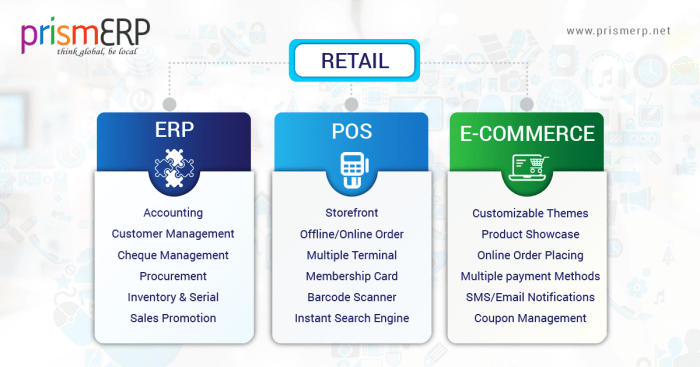
Ensuring the security of sensitive data is paramount in any retail ERP software system. Let's delve into the security measures and compliance requirements that Retail ERP software must adhere to.
Security Measures
One of the key security measures in Retail ERP software is encryption. This ensures that all data stored within the system is protected and unreadable to unauthorized users. Additionally, role-based access control is implemented to restrict access to sensitive information only to authorized personnel.
Compliance Requirements
Retail ERP software must adhere to various compliance requirements, such as the General Data Protection Regulation (GDPR) and the Payment Card Industry Data Security Standard (PCI DSS). These regulations ensure that customer data is handled securely and in compliance with data protection laws.
Security Features
- Data Encryption: All sensitive data is encrypted to prevent unauthorized access.
- Multi-factor Authentication: This adds an extra layer of security by requiring users to verify their identity through multiple steps.
- Regular Security Audits: Retail ERP software undergoes regular security audits to identify and address any vulnerabilities.
- Audit Trails: Detailed audit trails track all user activity within the system, allowing for traceability and accountability.
Training and Support
Training and ongoing support are crucial aspects of successfully implementing and utilizing Retail ERP software. Proper training programs and continuous support can make a significant difference in how effectively the software is utilized and how much value it brings to the business.
Training Programs Offered
- Training sessions tailored to different user roles within the organization.
- Hands-on training to ensure users are proficient in using the software.
- Online training resources for convenient access to information.
Importance of Ongoing Support
- Ensures that users have assistance when encountering issues or questions.
- Helps in maximizing the benefits of the software by providing guidance on best practices.
- Keeps the software up-to-date with regular updates and maintenance.
Tips for Maximizing Benefits
- Encourage regular training sessions to keep users updated on new features and functionalities.
- Provide access to a dedicated support team for quick resolution of issues.
- Utilize online resources and knowledge bases for self-learning and troubleshooting.
Final Wrap-Up
In conclusion, the journey through the intricacies of retail ERP software unveils a landscape where optimization and growth go hand in hand. By embracing this technology and its customizable features, businesses can pave the way for enhanced efficiency and sustainable growth in the dynamic world of retail.
Top FAQs
What are the benefits of using Retail ERP software?
Retail ERP software offers streamlined operations, real-time data access, and enhanced analytics capabilities that empower retailers to make informed decisions and drive growth.
How important is customization in Retail ERP software?
Customization in Retail ERP software allows businesses to tailor the system to their specific needs, ensuring optimal performance and scalability as the business evolves.
What security measures are taken in Retail ERP software?
Retail ERP software implements robust security features to safeguard sensitive data, ensuring data integrity and confidentiality through encryption and access controls.