
Embark on a journey into the world of Vista ERP, a powerful tool revolutionizing business operations. From its key features to real-world applications, this guide explores the ins and outs of Vista ERP in a casual formal language style.
Delve deeper into the realm of Vista ERP as we uncover its significance, benefits, and industry use cases, providing a solid foundation for understanding this innovative solution.
Introduction to Vista ERP
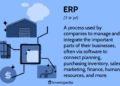
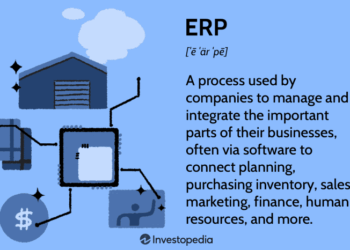
Vista ERP, which stands for Enterprise Resource Planning, is a software solution designed to streamline and optimize various business operations. It integrates different functions such as finance, human resources, supply chain, and customer relationship management into a single system, providing real-time data and insights for better decision-making.Vista ERP offers several key features and benefits to businesses, including improved efficiency, cost reduction, enhanced collaboration, and increased productivity.
By automating processes and centralizing data, companies can eliminate manual errors, reduce redundancy, and achieve better overall performance.
Industries that commonly use Vista ERP
- Manufacturing: Vista ERP helps manufacturers manage production schedules, inventory levels, and quality control processes more effectively.
- Retail: Retailers can use Vista ERP to track sales, inventory, and customer information across multiple channels, improving customer satisfaction and profitability.
- Service-Based Industries: Companies in the service sector benefit from Vista ERP's ability to streamline project management, resource allocation, and billing processes.
Implementation of Vista ERP
Implementing Vista ERP in an organization involves several important steps and considerations to ensure a successful integration of the system.
Steps in Implementing Vista ERP
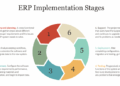
- Conducting a thorough analysis of the current business processes and requirements.
- Selecting a capable implementation team with the necessary skills and expertise.
- Customizing the Vista ERP system to align with the specific needs of the organization.
- Training employees on how to use the new system effectively.
- Testing the system rigorously before full deployment to identify and resolve any issues.
- Gradually rolling out the Vista ERP system across different departments or segments of the organization.
Challenges in Vista ERP Implementation
- Resistance to change from employees accustomed to old processes.
- Data migration issues when transferring existing data to the new system.
- Integration complexities with other existing software or systems in the organization.
- Budget constraints and potential cost overruns during the implementation process.
- Lack of clear communication and support from top management.
Best Practices for Successful Vista ERP Implementation
- Engage key stakeholders and involve employees in the decision-making process.
- Provide comprehensive training and support to ensure a smooth transition to the new system.
- Set realistic goals and milestones for the implementation process.
- Regularly monitor and evaluate the progress of the implementation to address any issues promptly.
- Create a change management strategy to mitigate resistance and ensure successful adoption of Vista ERP.
Customization and Integration with Vista ERP
Customizing Vista ERP is essential to tailor the system to meet specific business needs. This ensures that the software aligns with the unique workflows and requirements of the organization, ultimately increasing efficiency and productivity.
Customization Options for Vista ERP
There are several customization options available for Vista ERP, including:
- Configuring user roles and permissions to control access to sensitive data.
- Customizing reports and dashboards to display relevant information for decision-making.
- Integrating additional modules or functionalities to enhance the system's capabilities.
Integrating Third-Party Applications with Vista ERP
Integrating third-party applications with Vista ERP can streamline processes and improve data accuracy by enabling seamless communication between systems. The process typically involves:
- Evaluating the compatibility of the third-party application with Vista ERP.
- Mapping data fields to ensure proper data synchronization between systems.
- Testing the integration to verify functionality and data consistency.
Training and Support for Vista ERP Users
Training and support are crucial aspects of ensuring the successful implementation and use of Vista ERP within a business. Proper training programs and ongoing support can significantly improve user adoption and overall efficiency.
Training Programs Offered
- On-site training sessions tailored to the specific needs of the organization.
- Virtual training sessions for remote employees or multiple locations.
- Hands-on workshops to allow users to practice using Vista ERP in a controlled environment.
Tips for Smooth Adoption
- Establish clear communication channels for users to ask questions and seek help.
- Assign internal champions or super users to provide guidance and support to their colleagues.
- Encourage regular feedback from users to identify areas of improvement or additional training needs.
Importance of Ongoing Support and Maintenance
Providing ongoing support and maintenance for Vista ERP users is essential for maximizing the benefits of the system. Regular updates, troubleshooting assistance, and access to a help desk can ensure that users continue to use Vista ERP effectively and efficiently.
Closure
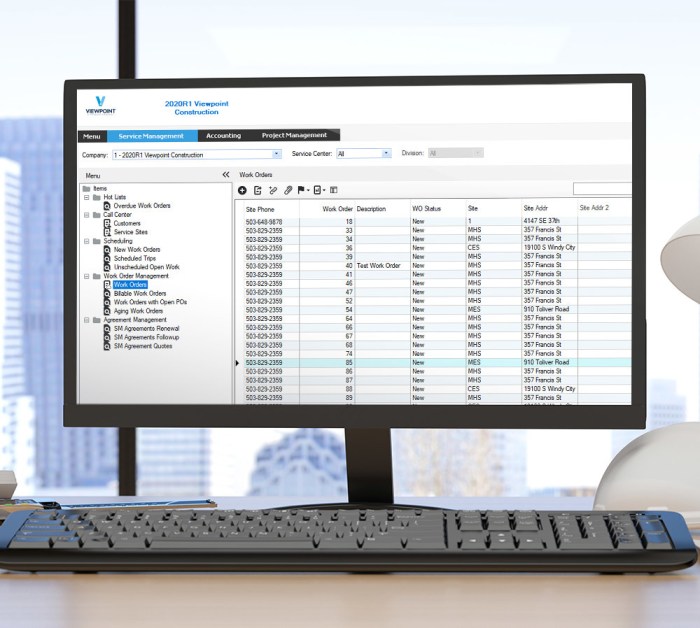
As we wrap up our exploration of Vista ERP, remember that success lies in embracing change and leveraging technology to drive efficiency. With the right approach and mindset, Vista ERP can propel your business towards growth and success.
Detailed FAQs
How can Vista ERP benefit my business?
Vista ERP streamlines processes, improves efficiency, and enhances decision-making through real-time data insights.
Is Vista ERP suitable for small businesses?
Yes, Vista ERP offers scalable solutions that can be tailored to meet the unique needs of small businesses.
What industries commonly use Vista ERP?
Manufacturing, distribution, retail, and service industries are among those that commonly utilize Vista ERP for streamlined operations.